Your Medicine Cabinet Is Lying to You: A 20-Minute Expiration Date Audit

Photo: Paul Hudson from United Kingdom, CC BY 2.0, via Wikimedia Commons
Somewhere in your bathroom right now, there's a bottle of something with a date on it that's already passed. Maybe it's cough syrup from that brutal flu two winters ago. Maybe it's the leftover antibiotics from a strep throat you barely remember. And maybe — like most Americans — you've been quietly ignoring it, because does an expiration date really mean anything?
Short answer: sometimes a lot, sometimes a little, and occasionally it means throw it out tonight. Here's how to tell the difference.
Why Expiration Dates Exist in the First Place
Every drug and supplement sold in the US carries an expiration date set by the manufacturer. It's the date through which the company can guarantee full potency and safety, based on stability testing they ran — usually somewhere between 12% and 40% of the product's realistic shelf life. Regulators require proof up to that date, not beyond it, so manufacturers have zero incentive to test longer than they must.
That's why studies (including the famous FDA shelf-life extension program) have found that many medications retain most of their potency for years past their printed date. Sounds like good news, right? It is — until it isn't. Because a handful of medications don't degrade gracefully. They degrade dangerously.
The Short List: These Ones Actually Matter
If you remember nothing else from this article, remember these:
Insulin. This is the big one. Insulin starts losing potency relatively quickly after its printed date, and degraded insulin doesn't just underperform — it fails unpredictably. For someone managing diabetes, that's not a potency quirk; it's a hospital trip. Never use expired insulin, and don't stretch vials or pens past their in-use window either (usually 28 days after opening, depending on the type).
Nitroglycerin. The little tablets people keep on hand for chest pain are notoriously fragile. They lose potency fast, especially in a poorly sealed bottle or a hot bathroom. If your nitroglycerin is expired, it may simply not work during an emergency — which is the worst possible time to find out.
Liquid antibiotics and reconstituted suspensions. That pink amoxicillin in the fridge? It was only good for about 10 to 14 days after the pharmacy mixed it, expired date or not. Toss any leftovers.
Eye drops and ear drops. Once opened, sterility becomes the issue, not potency. Most eye drops carry a discard-after-28-days note in fine print. Using contaminated drops in your eye is a great way to trade a minor problem for an infection.
Epinephrine auto-injectors and emergency meds. Expired EpiPens may still deliver some drug, but in an anaphylactic emergency, "some" isn't a word you want in the equation. Replace them on schedule.
Everything Else: Weaker, Not Wicked
For most pills — ibuprofen, antihistamines, statins, blood pressure meds in tablet form — an expired date usually means gradually reduced potency, not danger. A two-years-past-date acetaminophen tablet probably won't hurt you; it just might not work as well.
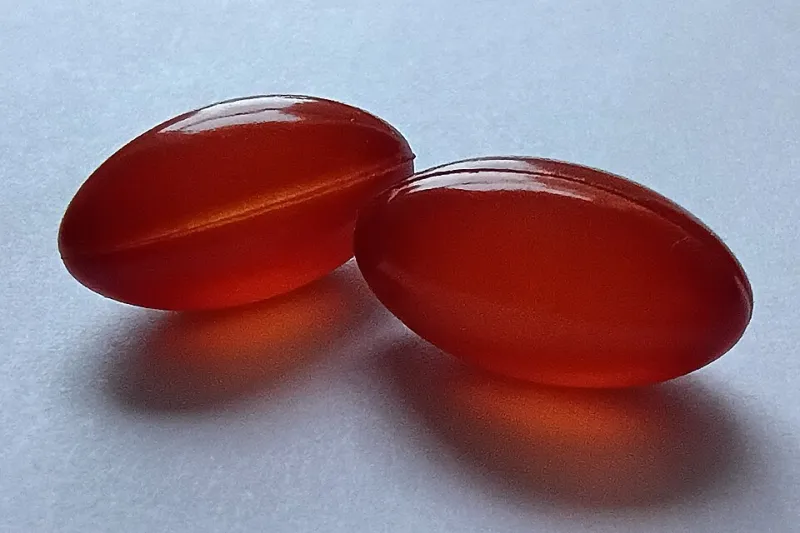
Supplements are a slightly different animal. Vitamins don't become toxic when they expire, but they do lose potency — and unlike drugs, supplements aren't tightly regulated for potency in the first place. An expired fish oil capsule carries an extra wrinkle: oils can go rancid, and rancid omega-3s are both gross and mildly counterproductive. If it smells like old crayons, it's done.
One more red flag that trumps all dates: storage damage. Pills that are discolored, sticky, crumbling, or smell off have been compromised by heat, humidity, or time. The bathroom medicine cabinet — hot, steamy, and bright — is genuinely one of the worst places to store medication. A cool, dry closet shelf does a better job.
The 20-Minute Audit
Grab a trash bag, a notepad, and do this in four passes:
- Pull everything out. Yes, everything. Check the big bin, the travel kit, the glove box, the diaper bag.
- Sort into three piles: current and sealed, expired-but-harmless (most tablets), and trash-tonight (insulin, nitroglycerin, reconstituted antibiotics, eye drops, anything discolored or smelling wrong, anything rancid like fish oil).
- Check the fine print. Look for "discard after" or "use within X days of opening" dates — these often expire long before the printed expiration date.
- Write your replacement list. Note anything expired that you actually use regularly, so you can refill it this week instead of discovering the gap mid-illness.
Getting Rid of the Trash Tonight — Safely
Don't flush anything unless the FDA's flush list specifically calls for it (certain opioids and a few other high-risk meds are on that list precisely because they're dangerous even in small doses). Everything else:
- Mix and toss: Combine pills with something unappealing — used coffee grounds, cat litter — seal in a bag, and put it in household trash. Remove or black out personal info on the label first.
- Take-back is better: National Prescription Drug Take Back Day happens twice a year, and many chain pharmacies and police stations keep permanent drop-off kiosks. The DEA and FDA websites both have locator tools. It takes five minutes and keeps pharmaceuticals out of waterways and out of the hands of teens.
One Last Thing
When you're done, put the survivors back — somewhere cool, dry, and out of reach of kids, not steaming over the sink. And set a phone reminder for a year from now. Your future self, staring down a midnight fever with a bottle of something from the last administration, will be grateful.