Before You Stack: The Supplement Combinations Quietly Working Against Each Other

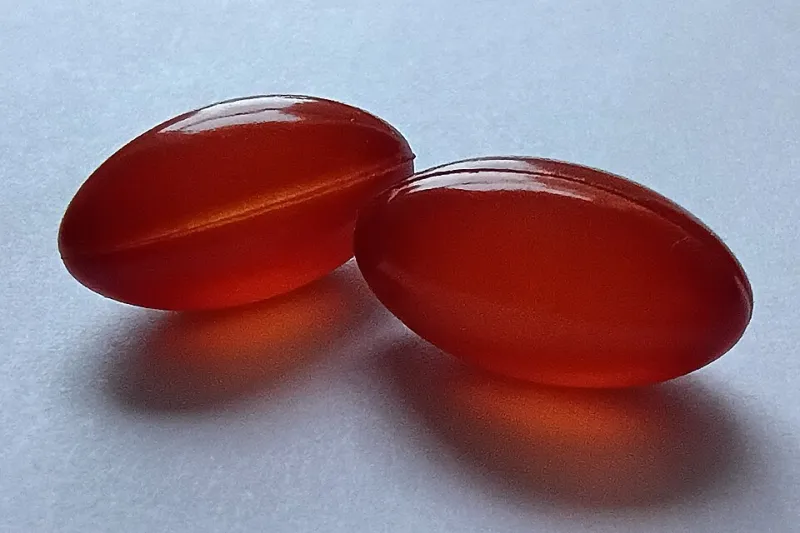
Photo: Ragesoss, CC BY-SA 3.0, via Wikimedia Commons
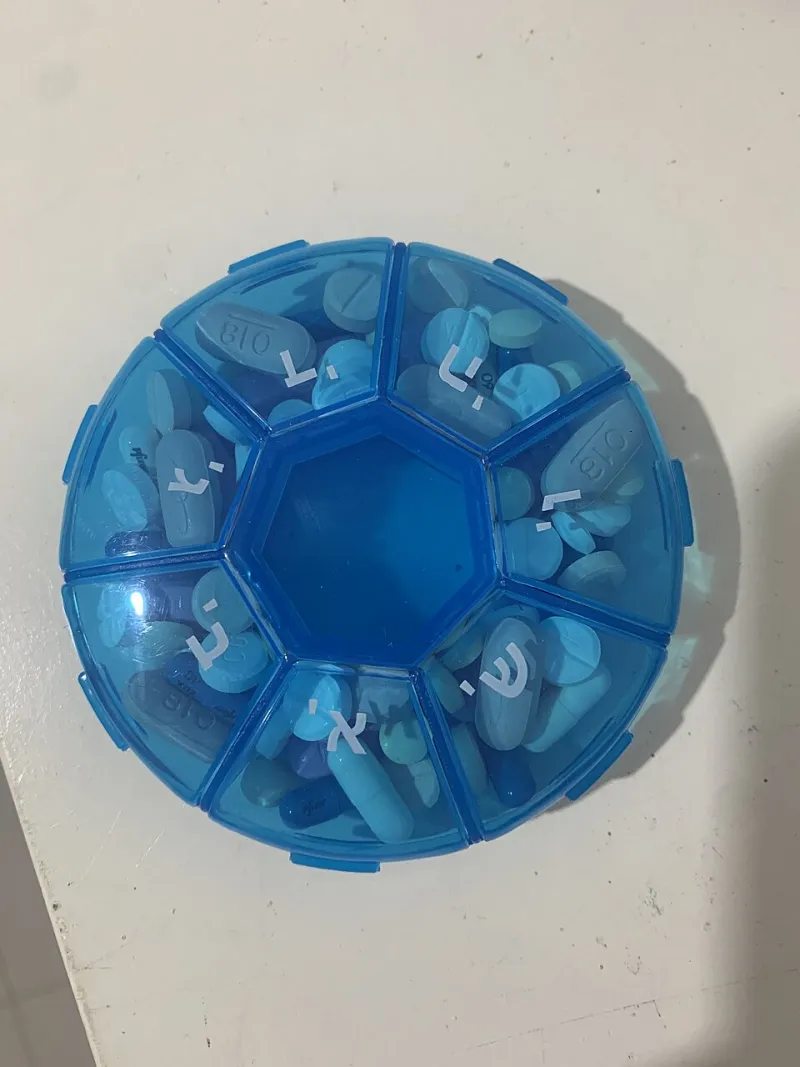
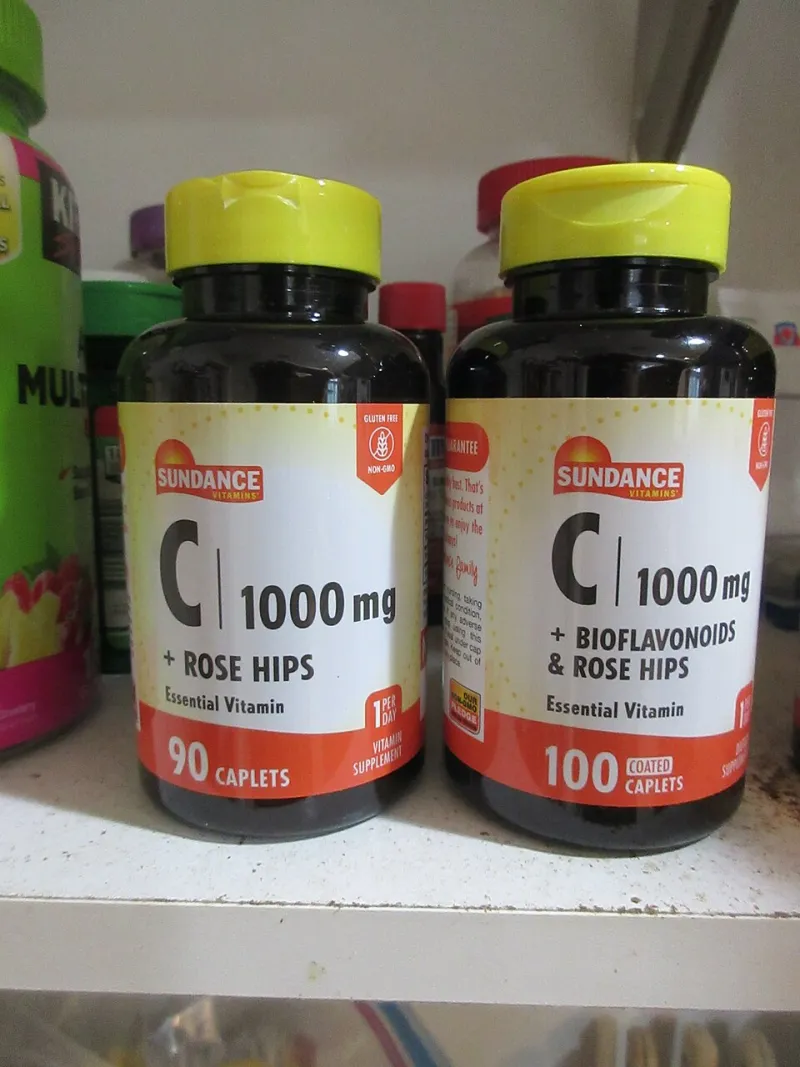
Walk through any American drugstore supplement aisle and you'll see it: the morning stack. Multivitamin, vitamin D, magnesium, maybe some omega-3s, an iron pill if your last bloodwork flagged you. By the time breakfast is done, some of us are five supplements deep before 8 AM.
Stacking isn't inherently bad — plenty of people do it thoughtfully and see real benefits. But here's the part that rarely makes the influencer videos: supplements interact with each other and with prescription drugs, sometimes blocking absorption outright. Not in a scary, alarmist way. In a "you're literally flushing that iron pill down the toilet" way.
Let's fix that.
The Do-Not-Pair List: What Fights What
Calcium vs. iron. This is the classic. Calcium competes with iron for absorption in the gut, and it wins. Take your calcium-fortified breakfast and your iron supplement at the same time and you may absorb a fraction of the iron. Separate them by at least two hours — iron in the morning, calcium at night, for example.
Zinc vs. copper. Long-term high-dose zinc (common in immune supplements) can deplete copper over time. If you're taking zinc for months on end, it's worth a conversation with your doctor rather than just doubling up in cold season.
Iron and tea or coffee. Not a supplement, but a stack-killer nonetheless. Tannins and polyphenols in your morning brew can meaningfully cut iron absorption. Wash your iron down with water or orange juice (vitamin C actually boosts iron uptake) and save the latte for later.
Fiber and everything, kind of. A high-fiber meal or a fiber supplement taken with your pills can speed things through the gut before absorption happens. Not a dealbreaker, but if you take a fiber supplement, give your meds and minerals some breathing room.
The Prescription Drug Interactions People Miss
This is where casual stacking gets genuinely consequential — not because supplements are dangerous, but because some of them are biologically active, which is the whole point.
St. John's Wort deserves its own warning label. It ramps up liver enzymes that break down medications, meaning it can blunt the effectiveness of birth control pills, blood thinners, certain antidepressants, and more. It's one of the most interaction-heavy supplements on the market, and most people taking it have no idea.
Vitamin K and blood thinners. If you're on warfarin, leafy greens and vitamin K supplements matter — not because you must avoid them, but because consistency is what your dosing depends on.
Grapefruit (yes, the fruit, and its extracts) blocks the enzymes that clear many common drugs, effectively raising their levels in your blood. If your medication bottle has a grapefruit warning, check your supplement labels for grapefruit extract too.
Melatonin, omega-3s, and ginkgo each have mild blood-thinning or sedating effects that can add up alongside prescription anticoagulants or sleep medications.
Timing Your Stack: A Simple Framework
You don't need a pharmacology degree — just a few rules of thumb:
- Minerals apart: calcium, iron, zinc, and magnesium compete for the same absorption pathways. Space them out.
- Fat-soluble with fat: vitamins A, D, E, and K absorb better with a meal containing some fat.
- Stimulating vs. calming: B vitamins and things like ginseng earlier in the day; magnesium and melatonin later.
- When in doubt, split morning and evening. A two-pile approach solves most conflicts without a spreadsheet.
When to Loop In a Professional
Here's the empowering part: you don't have to figure this out alone. A quick consult with a pharmacist — yes, the person at the counter — can flag interactions across your entire stack in minutes. Bring the bottles or a list. If you're on prescription medication of any kind, especially blood thinners, thyroid meds, antidepressants, or immunosuppressants, make that call before you add anything new.
And if a supplement's marketing claims it can "replace" your prescription? That's your cue to walk away.
The Bottom Line
Supplements work best when they're treated like what they are: active compounds that deserve a little strategy. Space your minerals, respect St. John's Wort, watch the grapefruit, and get a pharmacist's eyes on your full lineup once a year. Your stack took effort to build — make sure the pieces are actually working together.