Nobody Reminds You Twice: Building a Med Routine That Survives Vacation Weeks and 3 AM Doubts
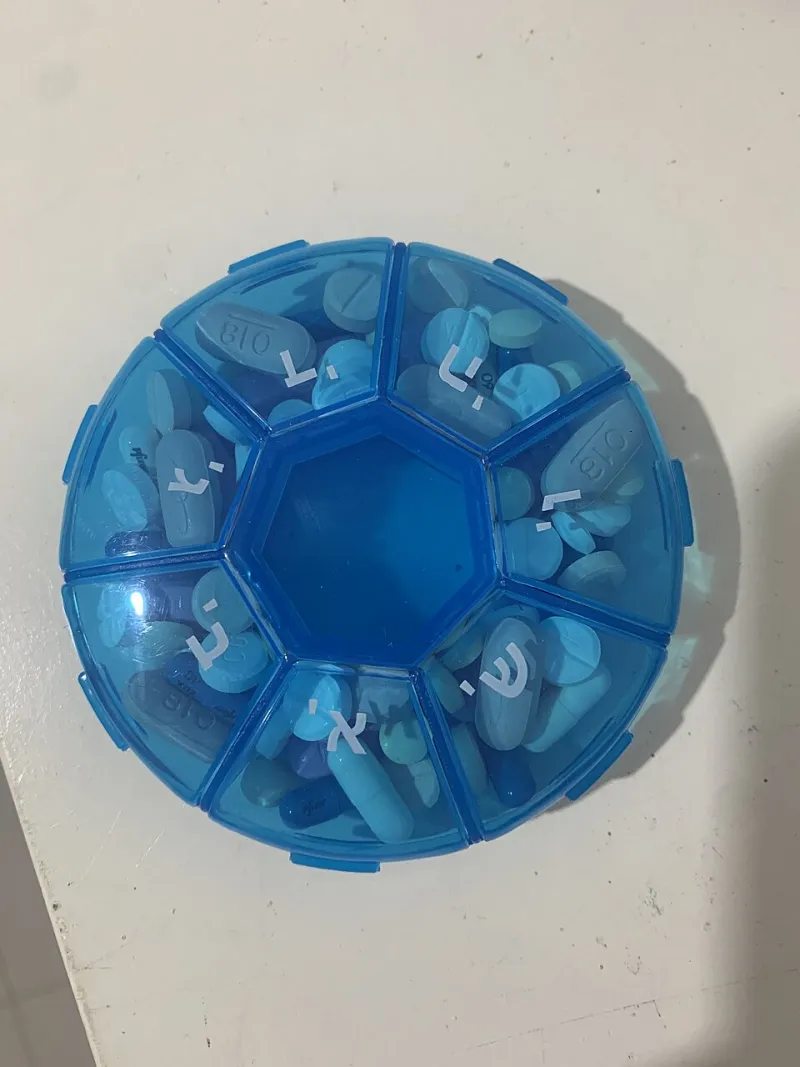
Photo: יוחי טייס, CC BY-SA 4.0, via Wikimedia Commons
There's a specific kind of panic that hits around mid-afternoon: you're at your desk, or in the school pickup line, and a small voice asks, did I take my blood pressure pill this morning?
If the answer is "I think so," you're in good company. Studies on medication adherence consistently show that a huge chunk of Americans miss doses regularly — not because they don't care, but because managing a daily med and supplement stack is a logistics problem, and nobody handed us a manual.
Here's the manual.
Why Your Brain Is a Terrible Pill Tracker
The human memory wasn't designed to distinguish between "took it Monday" and "took it Tuesday." Repetitive routines blur together, which is why the double-dose-or-nothing dilemma is so common. Add in a supplement or two, a time-sensitive thyroid med, and a weekend trip to see the in-laws, and things fall apart fast.
The fix isn't more willpower. It's building a system that doesn't depend on memory at all.
The Seasonal Audit: 15 Minutes, Four Times a Year
Once per season — tie it to a clock change or the first day of a new season so you remember — do a quick walkthrough of everything you take:
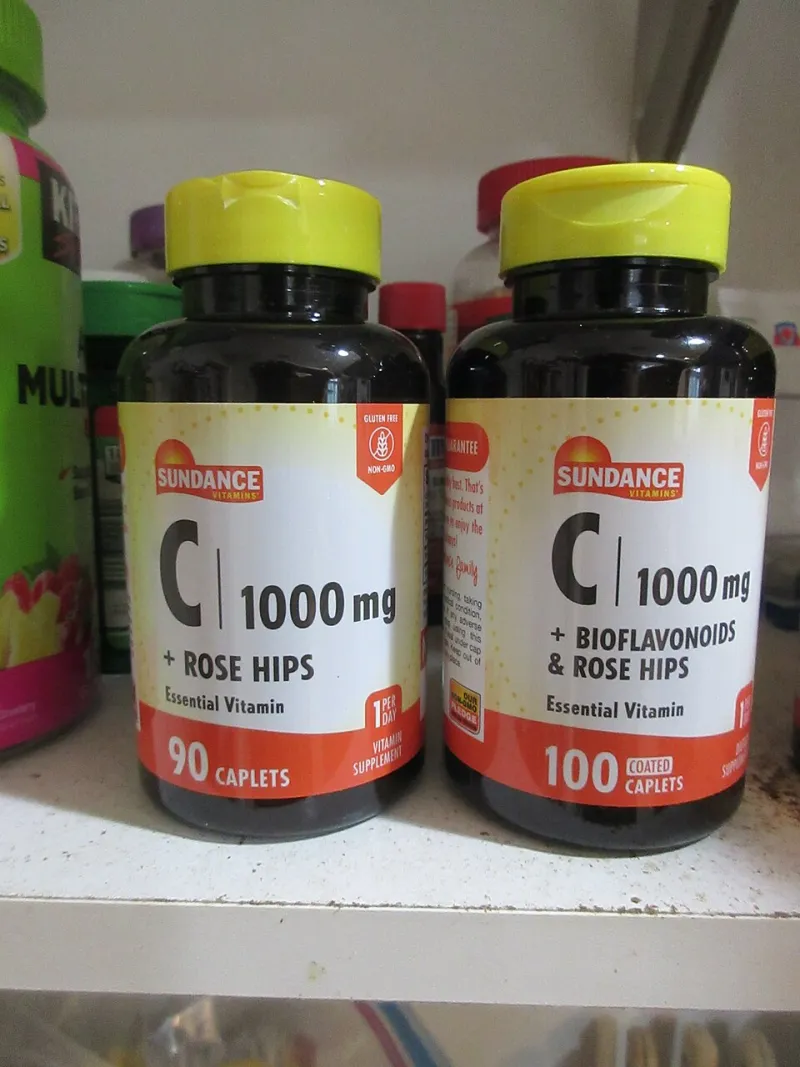
- Pull it all out. Prescriptions, vitamins, that melatonin from 2023. Literally everything.
- Check the expiration dates. Toss anything expired. Some medications lose potency; a few can even degrade into less-stable compounds.
- Read the labels again. Doses change. So do formulations. Confirm what each bottle actually says versus what your doctor prescribed.
- Look for overlap. Two supplements with the same active ingredient? A fish oil and a separate omega-3? Redundancy wastes money and can push you over safe limits.
- Count your refill dates. Note anything running out within the next 60 days and get ahead of it.
- Write it down. One page, one list, on the fridge or in your phone. This becomes your master reference — and it's gold when a new doctor asks what you're taking.
Tools That Actually Help (and Ones That Don't)
Weekly organizers. Old school, cheap, and still the most reliable option for most people. Fill it Sunday night as a ritual.
Auto-refill programs. Most major US pharmacies offer them, and they're quietly one of the best adherence tools out there. The catch: auto-refill only works if your prescriptions stay current, so keep those annual checkups on the calendar.
Medication apps. Apps like Medisafe or the reminders built into your phone can send nudges at dose time. They work well for tech-comfortable folks; they work less well if dismissing a notification becomes its own habit.
90-day supplies. If your insurance allows it, filling maintenance meds in 90-day quantities cuts your refill trips by two-thirds. Fewer touchpoints, fewer gaps.
What doesn't help: keeping pills in five different places, relying on "I'll remember," or stacking a new supplement onto your routine without telling anyone.
Vacation Weeks, Time Zones, and Other Chaos Agents
Travel is where routines go to die. A few workarounds:
- Pack meds in your carry-on, in original labeled bottles if you're flying. TSA won't make you toss your lisinopril, but keeping labels handy avoids questions.
- Set alarms in the destination's time zone the moment you land.
- If you miss a dose, don't double up by default. The right move depends on the medication — some you take ASAP, some you skip and resume normally. This is exactly what your pharmacist is for.
When to Loop In a Professional
Call your pharmacist or doctor if:
- You've missed doses of anything time-critical (blood thinners, seizure meds, thyroid hormones)
- You're experiencing side effects that make you want to quit a med — there are often alternatives
- You're starting a new supplement and take prescription drugs, since interactions are real (St. John's Wort alone interacts with a long list of medications)
- Your routine involves more than four or five items; a pharmacist can spot conflicts you can't
Pharmacists are arguably the most underused resource in American healthcare. A five-minute conversation is free at most chains and can save you a hospital bill.
The Bottom Line
A medication routine that survives real life isn't built on discipline — it's built on redundancy, visibility, and a little bit of technology. Do the seasonal audit, pick one tool (just one), and keep your pharmacist in the loop. Your 3 PM self will thank you.