Berberine, Ashwagandha, NAD+: A No-Nonsense Guide to What You're Actually Buying
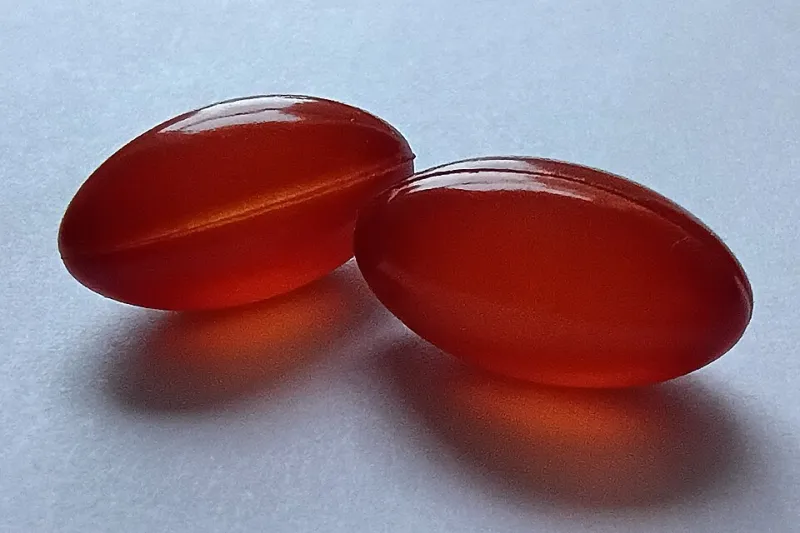
Photo: P3829, CC0, via Wikimedia Commons
Walk down any supplement aisle — virtual or literal — and you'll find the same promises in different fonts: more energy, better metabolism, slower aging, calmer days. What you won't find, usually, is a straight answer about what the research actually says.
So we built one. Below are six of the most-searched supplement ingredients this year, with the evidence, the doses used in studies, and the interactions your pharmacist wishes you knew about. No miracle claims. Just the scorecard.
Ashwagandha: The Stress Herb With Real (But Limited) Data
The most clinically supported use for ashwagandha is modest: it may help reduce perceived stress and support sleep quality. Several small randomized trials using root extract at 300–600 mg daily (often standardized to withanolides) showed reductions in self-reported stress scores.
What the evidence doesn't support: dramatic testosterone boosts, athletic transformation, or anxiety treatment. And there are cautions — ashwagandha has been linked to rare cases of liver injury, and it may stimulate thyroid activity, which matters if you're on levothyroxine. Skip it if you're pregnant.
Berberine: Impressive Numbers, Real Interaction Risk
Berberine earned its "nature's Ozempic" nickname because some trials show modest improvements in blood sugar and LDL cholesterol. The metabolic effects are real, if less dramatic than social media suggests — think meaningful-but-moderate, not medication-replacement.
Typical studied doses run 900–1,500 mg daily, split into two or three doses with meals (it's poorly absorbed, so dosing matters).
Here's the part the influencers skip: berberine inhibits the CYP3A4 and CYP2D6 enzymes, meaning it can raise blood levels of certain drugs. Notably:
- Statins like simvastatin — increased risk of muscle-related side effects
- Cyclosporine and other transplant medications
- Some blood pressure and antiarrhythmic drugs
If you take a statin, talk to your doctor or pharmacist before adding berberine. Full stop.
NAD+ Precursors: Promising Early, Unproven Now
NAD+ is a molecule your cells use for energy production and repair, and levels decline with age. Supplements like nicotinamide riboside (NR) and nicotinamide mononucleotide (NMN) aim to raise NAD+ levels — and they do, in blood tests. What's missing is consistent evidence that raising NAD+ translates to measurable health benefits in humans.
Human trials are small and short. Doses studied range from 250–1,000 mg daily. Safety profiles so far look fine. But this is a "watch this space" ingredient, not a proven one. Anyone selling you certainty on NAD+ is selling you something else.
Magnesium Glycinate: Underrated and Reasonably Backed
Less flashy than NAD+, better supported. Magnesium deficiency is genuinely common in the US diet, and supplementation at 200–400 mg daily (elemental magnesium) may help with sleep quality, muscle cramps in some populations, and constipation (especially citrate forms).
Main caveat: it can interfere with the absorption of certain antibiotics and bisphosphonates, so space it out from other meds by a couple of hours.
Omega-3s: The Old Reliable
Fish oil isn't trendy, but the evidence for 1,000–2,000 mg daily of combined EPA/DHA supporting cardiovascular and triglyceride health is among the strongest in the supplement world. Prescription-strength versions exist for a reason. Look for third-party testing — omega-3s are among the supplements most prone to oxidation and rancidity.
Collagen: Mixed Bag, Modest Signal
Small trials suggest hydrolyzed collagen peptides at 2.5–10 g daily may modestly improve skin elasticity and hydration, with weaker evidence for joints. It's not going to reverse anything. It might nudge something. Manage expectations accordingly.
How to Read a Label Like a Skeptic
A few red flags that should make you put a bottle back:
- Proprietary blends that hide doses behind a total weight
- No third-party certification (look for USP, NSF, or Informed Choice seals)
- Doses wildly above studied ranges — more isn't more
- Disease claims — supplements legally can't treat, cure, or prevent disease. If the label says otherwise, the brand is either ignorant or careless
- "Clinical strength" with no citation for what clinic, what trial, what dose
The Bottom Line
Ashwagandha, magnesium, and omega-3s have the strongest support for specific, modest benefits. Berberine shows promise but carries genuine interaction risks — especially with statins. NAD+ precursors and collagen are experiments, not answers.
None of these replace a prescription, a decent diet, or a conversation with your doctor. But if you're going to spend your money in this aisle, spend it on ingredients with receipts — and bring this list to your next appointment.