Same Drug, Different Pill: Why Your Refill Suddenly Looks Nothing Like Last Month's
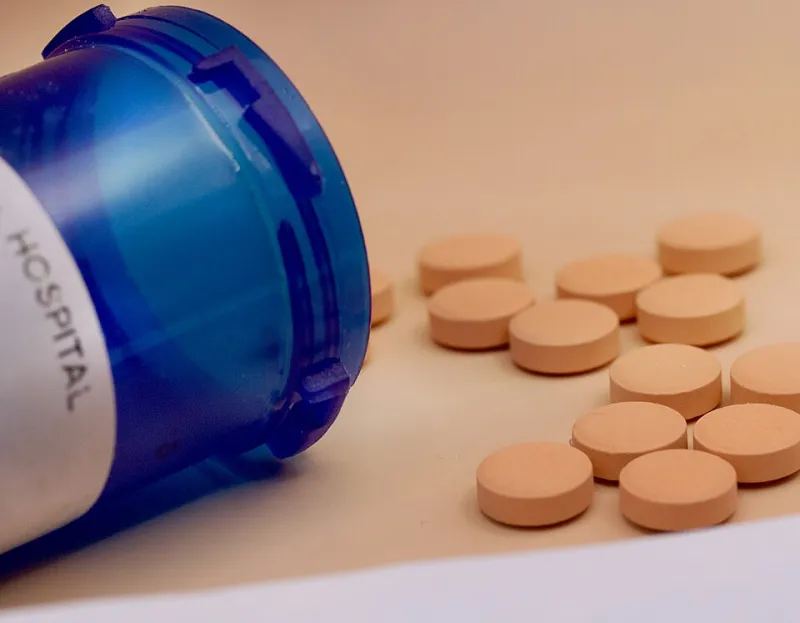
Photo: NIAID, CC BY 2.0, via Wikimedia Commons
You open the padded envelope from your mail-order pharmacy, shake a tablet into your palm, and stop cold. Last month it was a peach-colored oval. This month it's a chalky white round. Same dosage on the label, same drug name — but this is not the pill you've been taking.
Before you call the pharmacy convinced they made a mistake, take a breath. What you're holding is almost certainly a generic — and the switch probably happened for reasons that have nothing to do with you. But there's more to the story, and a few things worth knowing before you start your next bottle.
The Switch You Didn't Ask For
Here's the part most people never learn: your pharmacy can — and often will — swap manufacturers between refills without telling you. It's completely legal, and it happens for pretty mundane reasons.
Generic drugs are sourced through wholesalers, and pricing shifts constantly. If Manufacturer A's version of your medication gets more expensive this quarter, your pharmacy may quietly pivot to Manufacturer B's version. Insurance companies play a role too — many plans maintain preferred generic lists and reimburse one manufacturer's version more favorably than another's.
The result? The same drug, same strength, same active ingredient — in a tablet that looks, and sometimes tastes, entirely different.
How a Generic Actually Gets Approved
A lot of people assume generics get a free pass. They don't — they just get a different kind of test.
When a brand-name drug's patent expires, other manufacturers can apply to the FDA through a process called an Abbreviated New Drug Application (ANDA). The word "abbreviated" is the key: they don't have to repeat the years of clinical trials the original drug went through, because the safety and efficacy questions were already answered. Instead, they have to prove bioequivalence — that the generic delivers the active ingredient into your bloodstream at essentially the same rate and amount as the brand.
The FDA's tolerance band is tight. The generic must fall within roughly 80–125% of the brand's absorption profile, and in practice most generics land far closer to the middle than the edges of that range.
What they don't have to match: the color, shape, size, flavor, or inactive ingredients. Fillers, binders, and coatings — the stuff that makes up most of the pill — can be completely different. That's why your generic looks nothing like the brand, and why two generics from different factories can look nothing like each other.
When the Swap Actually Matters
For the vast majority of medications and the vast majority of people, a manufacturer switch is a non-event. But "almost always fine" isn't "always fine," and there are a few situations where a subtler conversation is worth having.
Narrow therapeutic index drugs. Medications like levothyroxine, warfarin, lithium, and certain seizure drugs have a very narrow window between "working" and "causing problems." For these, many pharmacists recommend staying on one manufacturer consistently — and some states even require it. If you're on one of these and your pill looks different, it's worth a phone call before your next dose.
Inactive ingredient sensitivities. Allergies and intolerances don't just live in the active ingredient. Dyes, gluten, lactose, and other excipients vary between manufacturers. If you have a known sensitivity, a new bottle is a new label to read.
The nocebo effect. This one is real and well-documented: when patients are told (or notice) that their pill changed, they report more side effects — even when blood levels show the drug is performing identically. Expectation shapes experience. Knowing a switch happened ahead of time can genuinely change how you feel on the new version.
That said, if you start a new generic and something feels off — persistent side effects, or a sense that it's "not working like it used to" — don't dismiss it. Mention it to your pharmacist or prescriber. Sometimes requesting a specific manufacturer is a reasonable solution, and pharmacies can often special-order one.
The Refill Checklist: What to Ask When the Pill Looks Wrong
Keep this in your back pocket for the next time your refill surprises you:
- "Did the manufacturer change?" A simple yes-or-no question, and the pharmacy can answer it in seconds using the imprint code on the tablet.
- "Is this the same strength and active ingredient?" Cross-check the imprint — those tiny letters and numbers stamped on the pill are a unique identifier you can look up in the FDA's database yourself.
- "Is this a drug where consistency matters?" If it's a narrow therapeutic index medication, ask whether staying on one manufacturer makes sense for you.
- "Can I request my previous version going forward?" Many pharmacies will note a manufacturer preference on your profile.
That imprint code is your best friend, by the way. If you ever get a bottle that looks off, a 30-second search of the imprint on the FDA's pill identifier tool will tell you exactly what you're holding.
The Bottom Line
A different-looking pill isn't a red flag — it's the generic system working as designed, keeping costs down with FDA oversight at every step. The brand name on your original prescription was never magic; it was just the first version out of the gate.
But being an informed patient means noticing changes and asking one good question instead of two anxious ones. Flip the bottle, check the imprint, and if anything seems off, your pharmacist has the answer before you've finished the sentence. That's what they're there for — and unlike the internet, they actually know which factory your pill came from.