Click, Wait, Wonder: Following Your Refill Through the 48 Hours You Never See
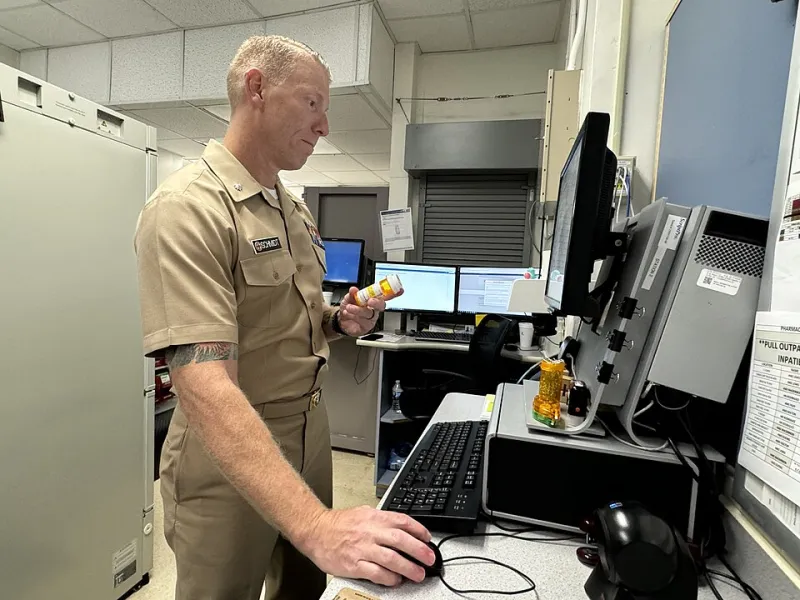
Photo: U.S. Navy NMRTC by Emily McCamy, Public domain, via Wikimedia Commons
You tap 'Renew' at 9:47 PM on a Tuesday, maybe from the couch, maybe while brushing your teeth. The screen flashes a confirmation. Done, right?
Not even close. What follows is a 48-hour relay race through software, pharmacies, insurance companies, and delivery trucks — and knowing the route is the difference between meds arriving on schedule and that anxious Friday call asking if you've "missed a dose or two."
Hour Zero: The Order Lands in a Queue
Your click doesn't go to a person first. It lands in an order management system that triages thousands of requests by medication type, refill date, and whether anything looks unusual. Controlled substances, for instance, often get flagged for human eyes immediately — which is one reason ADHD med refills sometimes feel slower than your cholesterol script.
Where it stalls: Typos in your date of birth or insurance ID. A mismatch here can bounce your order before a human ever sees it. Double-check your profile once a year; it takes five minutes.
Hours 2–12: The Pharmacist Review You Never Hear About
Every refill — even one you've had for years — gets a review. A pharmacist (or a licensed tech under their supervision) checks for drug interactions, dosage changes, and whether your prescriber is still current. If your doctor moved practices or their prescription expired, this is where your refill quietly stops moving.
Where it stalls: Expired prescriptions. Most non-controlled scripts are valid for 12 months. If you're on a maintenance med, set a calendar reminder a month before that anniversary so a renewal request can go out before you run dry.
Hours 12–24: The Insurance Tug-of-War
This is the step that generates the most gray hairs. Your pharmacy sends a claim to your insurer; the insurer either pays, partially pays, or — the classic — sends back a "prior authorization required" message. That means someone has to fax (yes, fax) your doctor's office, the doctor has to justify the med, and the insurer has to agree.
Prior authorizations can add anywhere from a day to two weeks. If your refill is suddenly "pending," this is almost always the culprit.
Where it stalls: Refills requested too early. Insurers set fill windows — usually you can't refill a 30-day supply until day 25 or so. If you click renew early, the claim rejects automatically.
What you can do: Ask your plan for a "vacation supply" or override if you're traveling. Many plans grant them with a quick call.
Hours 24–36: Packaging and the Cold Chain Question
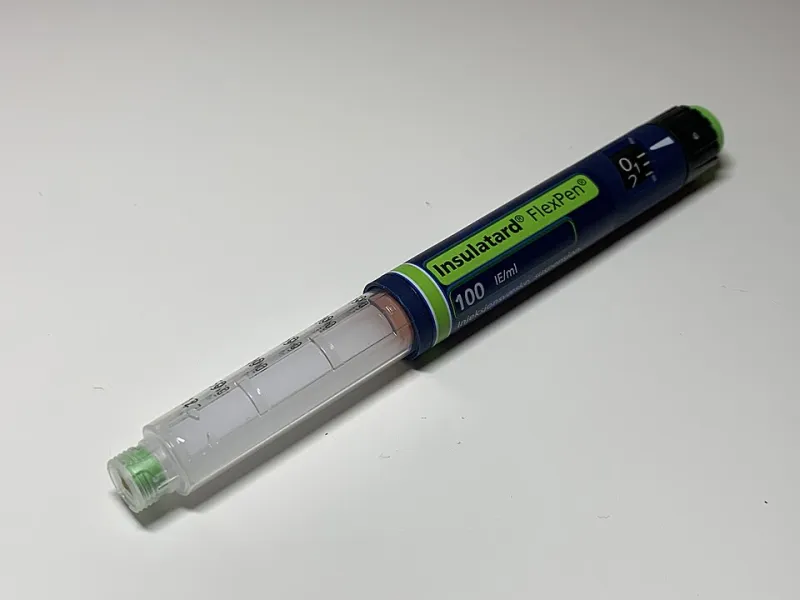
Once the claim clears, your meds get picked, labeled, and packed. Here's a detail most people never consider: not everything ships the same. Standard tablets go in padded envelopes. Temperature-sensitive items — insulin, certain biologics, some compounded creams — go in insulated mailers with gel packs, and their journey is far more fragile.
We've written before about what happens to insulin on a hot tarmac in July. The short version: a 48-hour window matters a lot more when the contents can't survive one.
Where it stalls: Weekend cutoffs. An order placed Friday afternoon may sit in packaging until Monday. If your refill clock is tight, place orders Tuesday through Wednesday.
Hours 36–48: The Courier Handoff
Your package changes hands — sometimes twice — between the pharmacy's mail facility and a national carrier. Each handoff is a scan, and each scan is a chance for a package to be misrouted. This is why tracking numbers matter: the moment yours shows "label created" for more than 24 hours, that's your signal to call the pharmacy, not to wait and worry.
Where it stalls: Weather and address problems. A missing apartment number or an old address on file can add days. Update shipping info before you order, not after.
The Flowchart in Your Head
If you remember nothing else, remember this simple map:
- Click → check your info is current first
- Pharmacist review → make sure scripts aren't expired
- Insurance → don't refill too early; expect PA delays on new meds
- Packaging → order midweek; flag temperature-sensitive items
- Courier → track it; call if the label sits for a day
The Bottom Line
That 48-hour window isn't magic and it isn't a black box — it's a chain of checkpoints, most of which you can influence from your end. A little calendar hygiene and one midweek ordering habit will keep you ahead of nearly every stall in the system. Your future self, standing at the cabinet with a full bottle, will be glad you did.