The Free Expert You Keep Walking Past: 10 Questions to Bring to a Pharmacist Before Ordering Anything Online
Here's an uncomfortable truth about how most of us shop for medications and supplements in 2025: we consult our phones, a checkout bot, and maybe a stranger on a forum — and skip the one professional whose entire job is answering these questions.
Pharmacists are among the most accessible healthcare providers in America. No appointment. No copay at most counters. No 45-minute hold music. And yet the direct-to-consumer boom — one-click refills, supplement bundles, telehealth prescriptions — has quietly trained us to treat buying medicine like buying sneakers. Fast, anonymous, and completely unsupervised.
We think that's a mistake. Here's how to fix it.
Why the Checkout Page Can't Protect You
Online pharmacies are built to convert, not to counsel. Their algorithms are great at suggesting "frequently bought together" and terrible at noticing that your new magnesium supplement and your blood pressure prescription are having a conversation you didn't authorize.
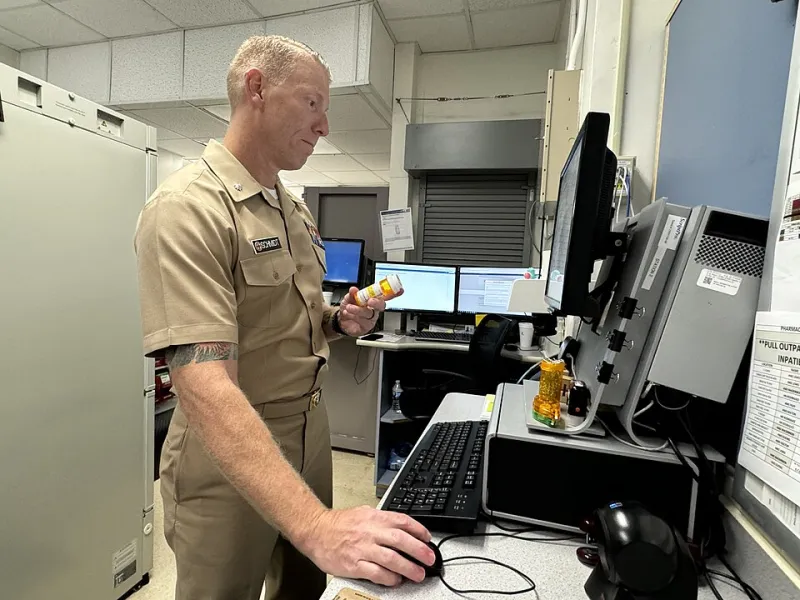
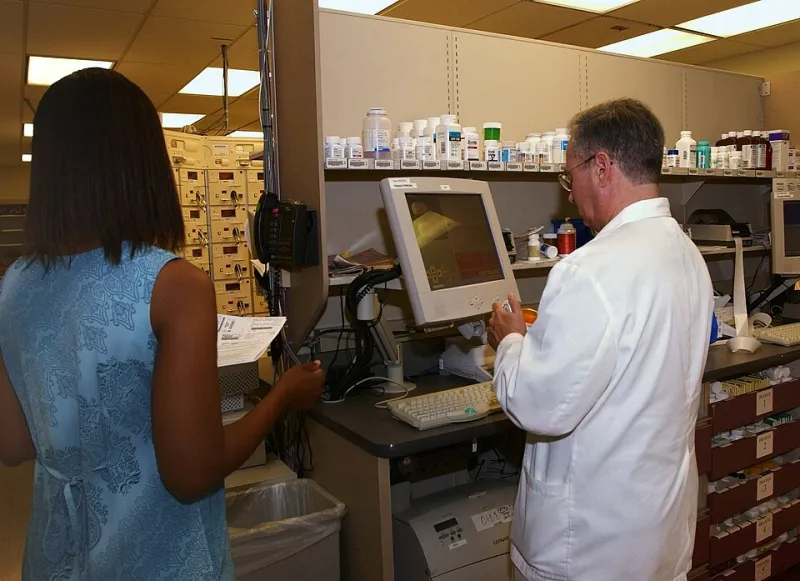
A pharmacist, on the other hand, sees the whole board — your prescriptions, your OTC habit, your supplement shelf. That five-minute conversation catches things no checkout page will ever flag.
The 10 Questions Worth Asking
Bring this list to your local counter or a telehealth pharmacist consult. Any one of these can save you money, a bad interaction, or a very unpleasant week.
-
"Does this interact with anything I'm already taking?" The obvious one, and still the most skipped. Include vitamins and herbal stuff — pharmacists want the full list, not the flattering one.
-
"Is there a generic or store-brand equivalent?" Brand-name tax is real. Ask it plainly and you'll often shave 30–80% off.
-
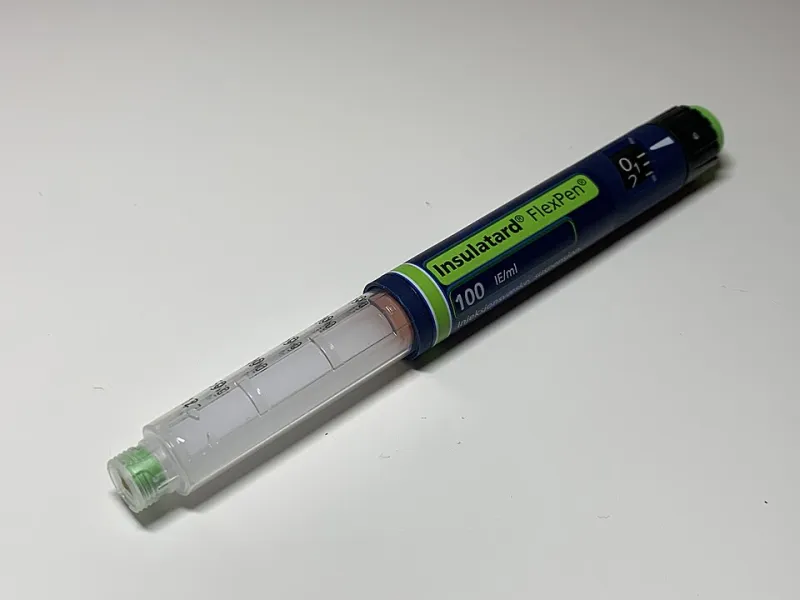
"Is this the right form for me?" Extended-release vs. immediate, capsule vs. tablet, liquid vs. pill — the differences matter more than the marketing suggests.
-
"How should I store this?" Heat and humidity wreck more medications than people realize. Your steamy bathroom cabinet may be the worst shelf in the house for some of them.
-
"What happens if I miss a dose?" The answer varies wildly by drug, and guessing wrong ranges from harmless to genuinely risky.
-
"Is the timing right?" Morning vs. night, with food vs. empty stomach, separated from your calcium supplement — timing is half of dosing.
-
"When should this refill be timed?" Especially for maintenance meds, aligning refill dates and auto-ship schedules prevents both gaps and graveyard drawers of surplus pills.
-
"Is this supplement actually doing anything for me?" A good pharmacist will tell you when evidence is thin and your money's better spent elsewhere. That honesty is worth more than the bottle.
-
"What side effects should actually worry me?" Not the scary list on the insert — the realistic ones, and the threshold where you call a doctor instead of toughing it out.
-
"Would you buy this online?" Ask a pharmacist which sites and sellers they trust. Their answer will be shorter and more useful than any review widget.
But I'm Ordering Online — Why Talk to a Human?
Because the two aren't opposites. Plenty of legitimate online pharmacies employ pharmacists you can chat with or call before checkout. And if yours doesn't, your neighborhood pharmacist will usually still field questions about something you bought elsewhere — that's the job.
Telehealth pharmacist consults have also exploded, and many are free or covered. Five minutes on the phone beats five hours of forum archaeology.
The Bottom Line
We love the convenience of direct-to-consumer as much as anyone — it's literally our business. But convenience works best when it's layered on top of real expertise, not instead of it.
The cheapest, fastest consultation in American healthcare is standing behind a counter in your neighborhood right now, waiting for someone to ask a question. Be that someone. Bring the list. Click 'Buy' after.