Meltdown Alert: Why Your Mailbox Is the Worst Place for Insulin (and How to Ship Smart)
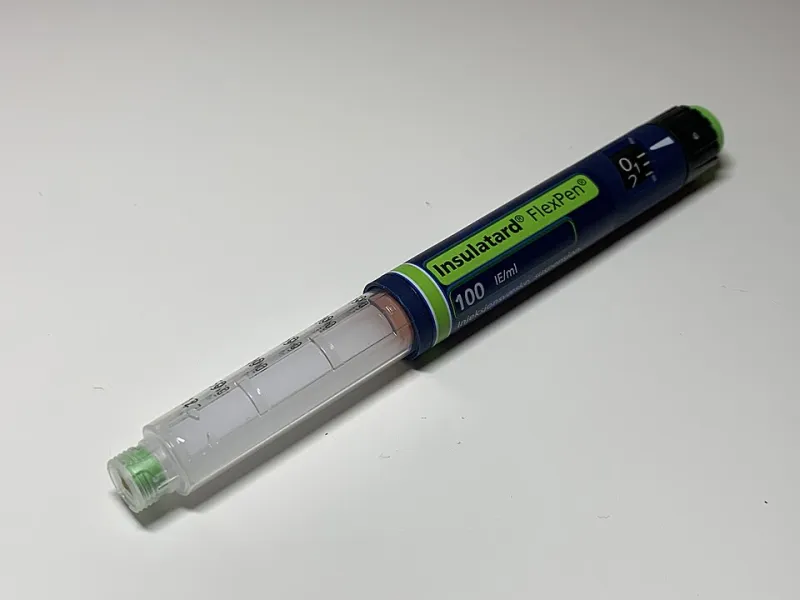
Photo: Marius Vassnes, CC BY-SA 4.0, via Wikimedia Commons
You did everything right. Refilled on time, clicked confirm, waited patiently. Then your insulin sat in a mailbox on an Arizona afternoon while the thermometer outside climbed past 105°F. Was it still good when you picked it up?
Honestly? Maybe not. And most of us never think to ask.
Heat Is a Drug-Destroying Machine (and So Is Cold)
Insulin gets all the attention, but it's far from the only medication that hates temperature swings. A short list of what's vulnerable:
- Insulin and injectable diabetes meds — fine at room temp for weeks, but prolonged heat breaks down the proteins and changes how the dose performs
- Biologics like certain injectables for arthritis, migraines, and weight management — many require strict refrigeration from factory to front door
- EpiPens and other epinephrine auto-injectors — heat degrades the drug, which is a bad time to discover that during an allergic emergency
- Certain thyroid meds, some liquid antibiotics, and various suspensions — less dramatic, but still sensitive
Cold is the sneakier villain. Freeze an insulin vial and the crystals can clump or denature — sometimes you can see it, sometimes you can't. A frozen-and-thawed pen isn't a bargain; it's a gamble.
The general rule from manufacturers: most insulins tolerate roughly 59–86°F (that's the official "excursion" range printed in the fine print). Above that, every hour counts.
What's Actually Inside That Shipping Box
Pharmacies don't just toss your vial in a padded envelope and pray. Legit cold-chain shipments usually include:
- Insulated mailers with foam or foil liners
- Gel packs or phase-change packs frozen to a specific temperature (not rock solid — too cold can freeze the drug)
- Temperature indicators — little stickers that change color if the box got too hot or cold in transit
The weak link isn't usually the packaging. It's the last mile — the stretch between the delivery truck and your hands. A box on a porch in Phoenix in July or a stoop in Minneapolis in January can hit extremes no gel pack was designed to survive for long.
Carriers have improved. Some now offer heat-mapped routing, weather holds, and text alerts so you know the moment a temperature-sensitive package lands. But the system isn't perfect, and delays happen — especially during peak summer shipping and holiday volume.
Your Seasonal Ordering Playbook
Summer strategy:
- Order early in the week so your package doesn't sit over a weekend
- Choose overnight or two-day shipping when the pharmacy offers it for cold-chain items
- Ship to work, a locker, or a neighbor with AC if nobody's home
- Track the tracking number like it's a concert ticket drop
- Ask your pharmacy about warm-weather packaging upgrades — many add extra gel packs May through September at no charge
Winter strategy:
- Same logic, flipped: avoid letting packages freeze overnight on the porch
- Request a hold-for-pickup at a carrier location or pharmacy counter
- Let packages reach room temperature before injecting — cold insulin stings
Any season: open the box immediately, check the temperature indicator if there is one, and inspect the medication. Cloudy insulin that should be clear, visible crystals, or a changed appearance? Call the pharmacy before using it. Most will replace a compromised shipment — that's a conversation worth having, not a loss to absorb.
When in Doubt, Ask Before You Dose
Here's the part nobody stresses enough: you're allowed to call and ask, "This sat outside for six hours in a heat wave — is it still safe?" Pharmacists field these questions constantly and would much rather replace a $75 box than have you guess.
Keep the packaging until you've used the last dose. If anything seems off — your sugars running weird after a heat-exposed shipment, for example — that packaging is your evidence and your pharmacist's best clue.
Mail-order meds are convenient, cheaper, and increasingly the norm. The cold chain mostly works. But it works better when you treat that delivery like what it is: perishable cargo, not just another cardboard box on the porch.