Porch Baked, Garage Steamed: A Field Guide to Where Your Meds Should Actually Land
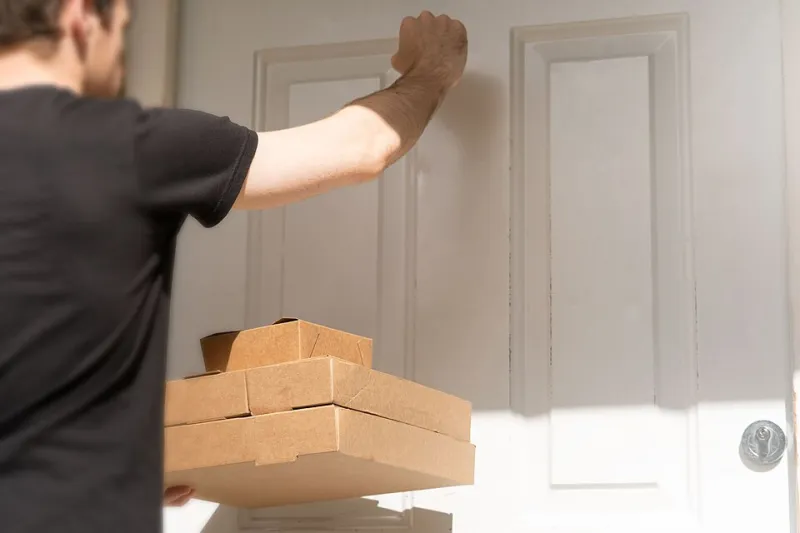
Photo: Meanwell Packaging, CC BY 2.0, via Wikimedia Commons
Let's be honest: most of us have come home on a July afternoon to find a pharmacy box sitting on the front step like a lost tourist. No shade. No cover. Just a heat-sensitive medication slowly roasting at 2 PM while you were stuck in traffic on the interstate.
The delivery itself isn't the problem — mail-order meds are more popular than ever, and honestly, we're fans here at CMQ Pharma. The problem is the last fifteen feet: the stretch between the delivery truck and your medicine cabinet where temperature, light, and humidity quietly go to war with what's inside the box.
The Real Estate Ranking: Best to Worst Spots for a Delivery
Not all drop-off locations are created equal. Here's how the usual suspects stack up.
The shady side porch (winner). Covered, out of direct sun, and typically a few degrees cooler than an exposed stoop. If your delivery instructions can say "leave on back porch," say yes.
With a neighbor (runner-up). A trusted neighbor with air conditioning is basically a free climate-controlled locker. More on this later.
The front door, uncovered (risky). America's default drop zone and the reason this article exists. Direct sun on a dark mailbox-adjacent step can push surface temperatures past 120°F in places like Phoenix or Austin.
The garage (a trap in disguise). It's indoors, so it feels safe. But attached garages in summer can hit 100°F+ and, worse, they're often humid — and humidity is the silent killer of tablets and capsules.
The mailbox (worst in class). Metal box, direct sun, zero airflow. In summer, an unshaded mailbox can out-bake a car dashboard. Your mail carrier has to use it, but your meds would rather be anywhere else.
A Quick Temperature Cheat Sheet
Most medications are fine between roughly 68–77°F, with short excursions allowed. But some are divas:
- Insulin and certain injectables: Refrigerated until first use. Heat is a fast-track to potency loss — we've covered the mailbox problem before, and it bears repeating.
- Thyroid meds (levothyroxine): Sensitive to heat and light. Consistency matters.
- Inhalers: Pressurized canisters can malfunction in extreme heat. Never leave one in a hot car — the same logic applies to a sunny doorstep.
- Most tablets and capsules: Tolerant-ish, but repeated heat and humidity cycles shorten their usable life.
- Supplements: Probiotics are the fragile ones here; fish oil and many gummies also dislike heat.
Take Five Minutes and Write Delivery Instructions
Here's the part almost nobody does: every major carrier lets you leave notes.
- USPS: Use Informed Delivery to track packages, and submit delivery instructions online for eligible items — including holding mail or redirecting to a different address.
- UPS: UPS My Choice lets you set a preferred drop-off location, redirect to a UPS Access Point (often inside a staffed, climate-controlled store), or schedule delivery when you're actually home.
- FedEx: FedEx Delivery Manager offers similar controls, including signature requirements and hold-at-location options.
- Pharmacy mail services: Many big-name mail-order pharmacies let you flag delivery preferences in your account settings. Look for a "delivery instructions" field and actually fill it in. "Leave on side porch, shaded area" takes ten seconds.
Also worth checking: does your pharmacy offer temperature-controlled or insulated packaging for heat-sensitive prescriptions? Some do, especially in summer months — but you usually have to ask.
The Neighbor Fallback: Underrated and Free
There's something charmingly old-school about the neighbor handoff, but it genuinely works. A package sitting in someone's air-conditioned entryway beats a sun-baked stoop every time. If you have a retiree next door, a friend who works from home, or a building concierge, add them as your delivery fallback for anything temperature-sensitive. Just make sure they know to bring it inside promptly — a neighbor's screened porch is only marginally better than yours.
What to Do When It's Already Gone Wrong
If a box sat out in brutal heat or a soaked rainstorm, don't panic and don't automatically toss it. Call your pharmacist and describe the conditions and duration. Some medications tolerate a single rough afternoon; a few genuinely don't. Your pharmacist can tell you whether it's a "go ahead and take it" situation or a "let's get a replacement" one. Many mail-order pharmacies will replace heat-damaged shipments at no cost if you report it quickly.
The Bottom Line
You already put thought into what you order — where it lands deserves the same attention. Five minutes spent setting carrier instructions, picking a shaded drop spot, or bribing a neighbor with cookies pays for itself the first time a heat wave rolls through. Your meds made it across the country. Don't let the last ten feet be the part that breaks them.