One Box In, Zero Boxes Out: The Trust Problem Keeping Americans From Their Second Refill
There's a pattern playing out across American medicine cabinets right now, and it doesn't show up in any earnings call. A customer signs up for a mail-order pharmacy, uploads their prescription, waits a week, receives a padded envelope that looks like it came from a different planet — and never orders again.
The industry calls it churn. Customers call it something simpler: that didn't feel right.
The Honeymoon Ends at the Mailbox
Ordering your first prescription online is, frankly, an easy sell. The signup flow is smooth, the prices are lower than what you paid at the chain pharmacy last month, and there's something satisfying about crossing a chore off your list from the couch.
Then the box arrives.
Sometimes it's a plain manila envelope with a pharmacy name you've never heard of. Sometimes the pills inside look different — a new manufacturer, a different shade of white. Sometimes there's no pharmacist to make eye contact with when you ask, "Is this really the same thing?"
For a first-time customer, that moment is make-or-break. There's no relationship built up yet, no friendly face behind the counter, no years of small talk to fall back on. Just a stranger's name printed on a label and a quiet worry that you might have made a mistake.
What the Data Says — and What It Leaves Out
Industry surveys consistently show that a meaningful chunk of first-time mail-order users don't come back for a second fill. Some studies of digital pharmacy adoption have pointed to drop-off rates north of 30% after the initial order, though the exact numbers vary wildly depending on who's asking.
What the surveys tend to gloss over is why. Price isn't the problem — mail-order usually wins on price. Convenience isn't the problem either. The problem is confidence.
Talk to people who switched back to their local pharmacy and the same themes keep surfacing:
- The package looked suspicious. One woman in Ohio told us her first shipment arrived in an unmarked envelope, and she spent an evening convinced she'd accidentally ordered from a scam site.
- The pills looked wrong. Generic swaps are legal and normal, but nobody warned her, so she assumed the worst.
- Nobody answered the phone. When she had a question about timing her dose, she waited on hold for 40 minutes. Her old pharmacist would've answered in 40 seconds.
None of these are dealbreakers on paper. Together, they're fatal.
The Legitimacy Catch-22
Here's the awkward truth for e-commerce pharma brands: the very thing that makes them efficient — scale, automation, centralized fulfillment — is also what makes them feel impersonal. And in healthcare, impersonal reads as untrustworthy.
It's a catch-22. A customer can't build a relationship with a pharmacist they've never met. A website can't make eye contact. And unlike a local pharmacy, where trust gets deposited in small increments over years, a mail-order operation has one or two touchpoints to earn it all.
Too many brands blow that window. They nail the checkout and fumble the follow-through: no tracking updates, no heads-up about a generic substitution, no easy way to reach a human being with an actual license.
What Would Actually Fix It
If we're being candid — and this being an opinion piece, we will be — the fixes aren't mysterious. They're just not glamorous.
Tell customers what the package will look like before it ships. A simple email — "your meds will arrive in a white bubble mailer with this return address" — eliminates half the anxiety in one sentence.
Flag generic substitutions loudly. When the pill looks different from last month's, say so before the customer notices. A two-line notification turns a moment of panic into a moment of "oh, okay."
Make a pharmacist reachable. Not a chatbot, not a ticketing system. A person with a PharmD who can pick up the phone. Some services already do this, and it shows in their retention numbers.
Treat refill two as the real sale. Most marketing energy goes into the first order. But loyalty is won — or lost — in the weeks after the first box lands on the porch.
Should You Give Mail-Order a Second Chance?
If you tried mail-order once and bailed, your instincts weren't wrong — the experience probably was lacking. But the category has matured fast, and the best operators have learned that trust is the product. The medications were never the hard part.
For maintenance medications — blood pressure pills, statins, thyroid meds — the economics still favor delivery, often by a wide margin. The question isn't whether mail-order works. It's whether the brand you choose treats your second refill like it matters.
Ask before you sign up: Can I talk to a pharmacist? Will you tell me if my pill looks different? What happens if the package doesn't come? If the answers come quickly and in plain English, you've found one of the good ones.
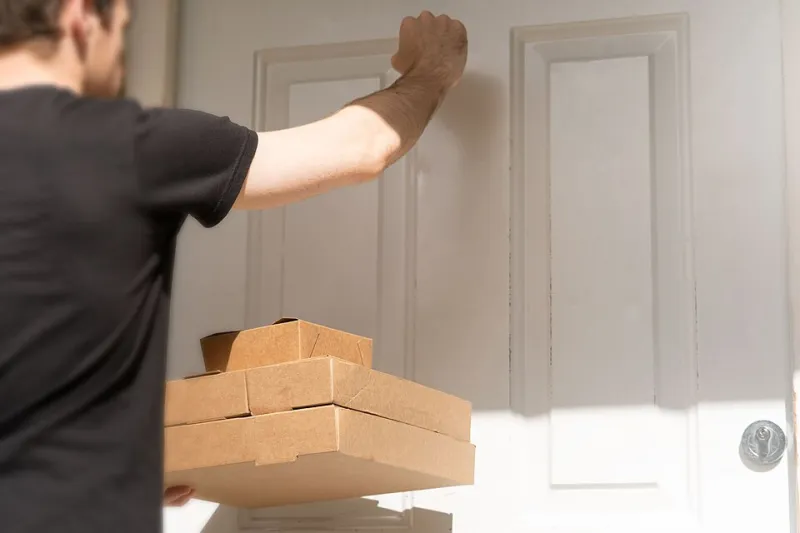
The corner pharmacy isn't going anywhere, and for plenty of people, it shouldn't. But the future of American prescriptions is increasingly showing up in a mailbox. The brands that survive will be the ones that stop treating that mailbox like a drop-off point — and start treating it like a front door.