Scroll, Swallow, Repeat: When Your For-You Page Becomes Your Pharmacist
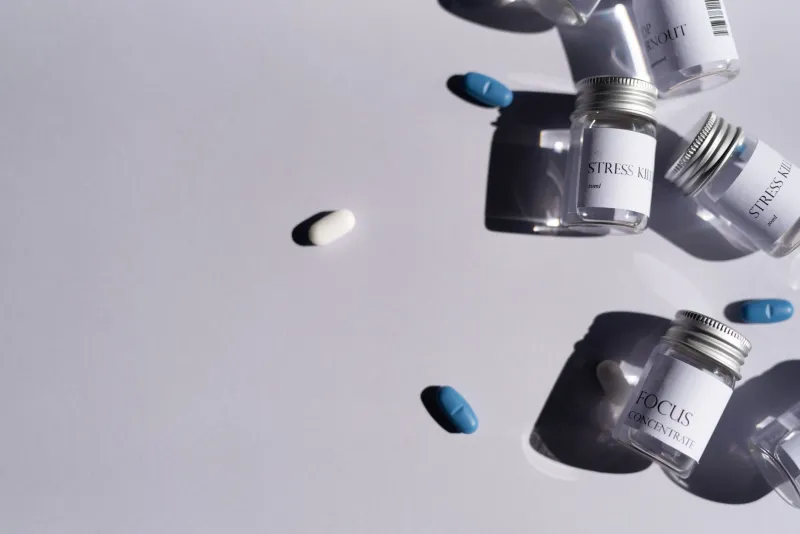
Somewhere between a dance trend and a recipe video, an influencer holds up a bottle of magnesium glycinate and says it changed her sleep, her skin, and possibly her marriage. By Friday, your local pharmacy is out of stock.
That's not a hypothetical. It's the supply chain reality of health advice in 2025, where a single viral video can empty shelves of berberine, trigger a run on 'cortisol-lowering' supplements, or send thousands of people asking their doctors for medications they saw in a 45-second clip. The pharmacist behind the counter has quietly become the cleanup crew for the For-You Page.
The Algorithm Is the New Waiting Room
Surveys keep confirming what pharmacists already know: a growing share of Americans — and an overwhelming share of Americans under 35 — look up health information on social media before (or instead of) checking with a clinician. It makes sense. The pharmacist requires a trip across town. The algorithm requires a thumb.
And to be fair, not everything on social media is wrong. Some pharmacists now make their own videos, and genuinely useful content — explaining what an MAOI interacts with, demystifying generic drugs — does circulate. The problem isn't that health content exists on TikTok. It's that the platform rewards confidence, not accuracy.
A video that says 'this supplement changed my life' will outperform one that says 'this supplement showed modest effects in two small trials, and the dose used isn't what's in most retail bottles.' The truth needs asterisks. Virality doesn't.
What Pharmacists Keep Unlearning
We asked a few practicing pharmacists what walks through the door most often. The same themes came up again and again:
The 'natural means safe' assumption. Customers are often shocked to learn that St. John's Wort can interfere with antidepressants and birth control, or that high-dose green tea extract has been linked to liver injury. Herbal doesn't mean interaction-free.
The dose mismatch. Viral videos frequently reference results from studies using doses that don't match what's sold in gummies and capsules at big-box stores. You're often buying the vibe of the study, not the protocol.
The 'stop taking your meds' suggestion. Pharmacists say the most dangerous pattern is a video convincing someone to quit a prescribed medication in favor of a supplement — usually without telling anyone. Suddenly managing a chronic condition with a $29 bottle of hope.
The pharmacy hack gone sideways. Advice like splitting extended-release tablets or doubling up on antihistamines to sleep can be genuinely risky, and it spreads because it sounds thrifty and clever.
The Five-Minute Viral Claim Check
You don't need a pharmacology degree to be a smarter consumer. Before you buy anything a stranger recommended between two cat videos, run this quick rubric:
- Who profits? If the video links to a storefront, discount code, or 'my favorite brand,' treat it as an ad — because legally, that's what it is.
- Is there a named study? Real claims can point to real research. Search the drug or supplement name plus 'clinical trial' on PubMed. No citation? That's your answer.
- Does it promise everything? Anything that claims to fix sleep, weight, anxiety, and energy at once is selling a fantasy, not a formulation.
- Check the dose. Compare the amount in the video's study to the amount on the label. Big gap, big problem.
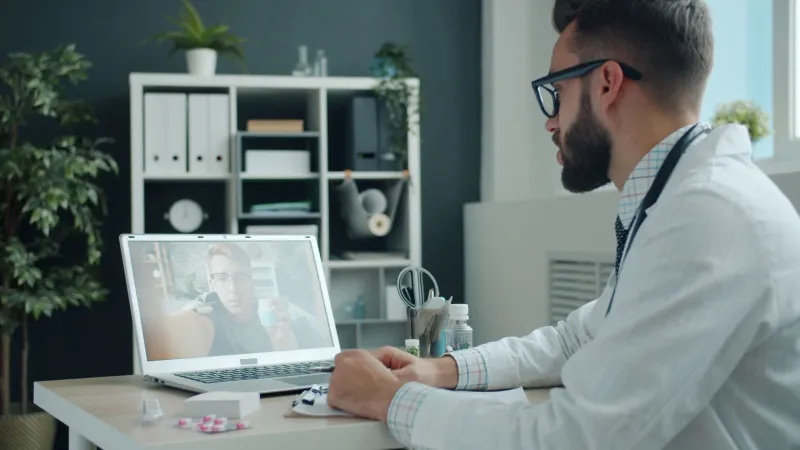
- Ask a real pharmacist. This takes less time than watching three more videos. Any pharmacist can tell you in two minutes whether a supplement interacts with your current meds — and unlike your feed, they can see the whole picture, including the prescriptions you forgot to mention.
That last step is the one people skip most, and it's the one that matters most. Pharmacists aren't gatekeeping wellness; they're the only people in this conversation who've read your medication list.
Enjoy the Scroll, Skip the Guesswork
Social media isn't going to stop making health content, and plenty of it is fine — even helpful. The goal isn't to distrust everything; it's to know which claims deserve five minutes of homework before they become a purchase. Watch the video. Laugh at the cat. Then flip the bottle over, run the checklist, and bring your questions to someone with a license.
Your For-You Page knows what you'll click. Your pharmacist knows what you're taking. Only one of them should be advising you on both.