Fifteen Minutes, No Stethoscope: Inside America's Telehealth Prescription Boom
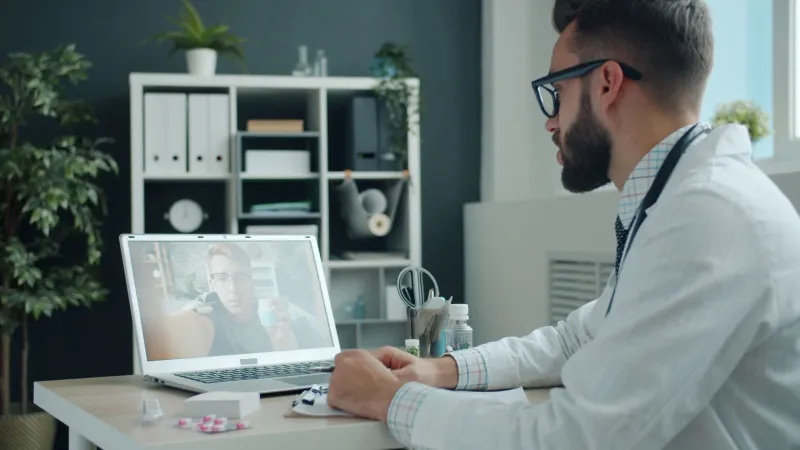
The waiting room is your couch. The gown is your hoodie. And the person deciding whether you walk away with a prescription is a licensed provider you will likely never see again. Welcome to the fastest-growing corner of American healthcare.
Telehealth prescribing platforms have gone from pandemic stopgap to permanent fixture. Want help with acne, anxiety, reflux, or hair loss? There's an app for that, and it can put a script in your cart before your coffee gets cold. The convenience is real. But so are the trade-offs, and most patients never hear them spelled out.
What's Actually Happening in That Video Call
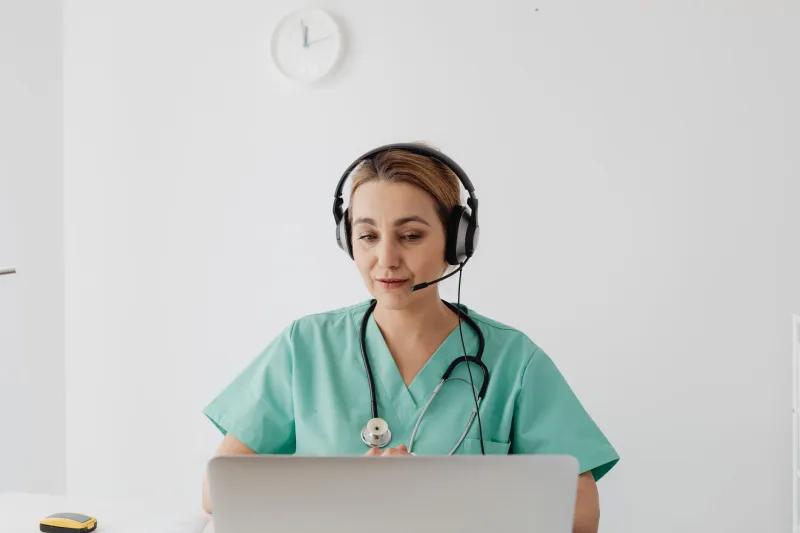
A typical telehealth visit runs 10 to 20 minutes. There's no blood pressure cuff, no weight check, no listening to your lungs. The provider relies entirely on what you say, what you type into an intake form, and what they can observe through a webcam.
For many conditions, that's genuinely enough. A recurring migraine with a well-documented history doesn't require a physical exam to refill a known treatment. Same goes for straightforward skin issues or a birth control renewal for a healthy patient.
The trouble starts when the condition is more complicated than the visit. Some platforms are built around volume: a provider seeing dozens of patients a day, guided by intake algorithms, with prescribing quotas or productivity targets hovering in the background. When the business model depends on writing prescriptions quickly, the incentive to say "let's get you checked out in person first" gets weaker.
The Vetting Problem
Here's what patients often don't realize: telehealth platforms vary wildly in how thoroughly they verify who you are and what's actually going on with your health.
Some ask for medical records, pharmacy history, and ID verification. Others take your self-reported intake form at face value. A few have been called out by regulators for essentially prescribing to anyone who fills out a questionnaire honestly or otherwise.
The stakes are highest with controlled substances. Federal rules around stimulants and other scheduled drugs have loosened and tightened in waves since 2020, and platforms' approaches to them vary. If a site will hand you a stimulant prescription after one video call with zero records requested, that's not a sign of patient-centered care. That's a red flag with a logo on it.
Real Patients, Real Mixed Results
Talk to enough telehealth users and a pattern emerges.
There's the 34-year-old in suburban Ohio who got her reflux medication renewed in eight minutes and calls it "the best healthcare experience I've had in years." There's the college student who was prescribed an antidepressant after a single call, with no follow-up scheduled and no discussion of tapering or side effects, and spent a rough month figuring it out alone. Both stories are true. Both are common.
The difference usually comes down to whether the platform treats the visit as the start of care or the end of a transaction. Good telehealth includes follow-ups, lab work when appropriate, and an actual plan. Bad telehealth ships you a bottle and disappears.
Privacy: The Fine Print Nobody Reads
That intake form asking about your mental health, sexual history, and substance use? It's a data goldmine. Telehealth platforms sit in a gray zone where health privacy law doesn't always apply the way you'd expect, especially if they're not your traditional healthcare provider.
Some services have disclosed sharing user data with advertisers for things like ad targeting. Before you pour your medical history into a slick new app, scroll to the privacy policy and search for the words "third parties" and "advertising." If data sharing language makes you wince, that's worth knowing before, not after.
The Rubber-Stamp Checklist
Not every quick visit is a bad visit. But here's how to spot when a platform cares more about your card number than your chart:
- No records requested. If they never ask what you've tried before or what your other doctors have said, proceed carefully.
- Prescription before conversation. If the treatment is pitched in the checkout flow before you've even talked to a provider, you're shopping, not being treated.
- No follow-up plan. Legitimate prescribing includes a timeline: check in after two weeks, adjust dose, reassess.
- One condition, one product. Platforms that always land on the same answer, conveniently sold in-house, deserve skepticism.
- Controlled substances, zero friction. Stimulants, sedatives, and similar drugs require a real clinical relationship. If it feels too easy, it is.
- No way to reach a human. If your only support option is a chatbot, imagine trying to report a bad reaction.
Getting the Most Out of a Video Visit
If you do use telehealth, treat it like real healthcare. Have your medication list and medical history ready. Ask the provider directly: What are we ruling out? When should we follow up? What would make you change this plan? A good provider welcomes those questions. A rubber stamp stalls.
And know when to go analog. Chest pain, new severe symptoms, anything involving kids, pregnancy complications, or medications that need monitoring, those belong in a room with a person who owns a blood pressure cuff.
Telehealth isn't the villain of this story. Done right, it's expanded access for rural patients, shifted workers, and anyone who's ever taken a half day off just to hear "keep taking it." But convenience cuts both ways. The best telehealth platforms act like doctors' offices. The worst act like vending machines. Knowing the difference is now a core patient skill.