My Whole Medicine Cabinet vs. the Internet: A Two-Day Shipping Experiment
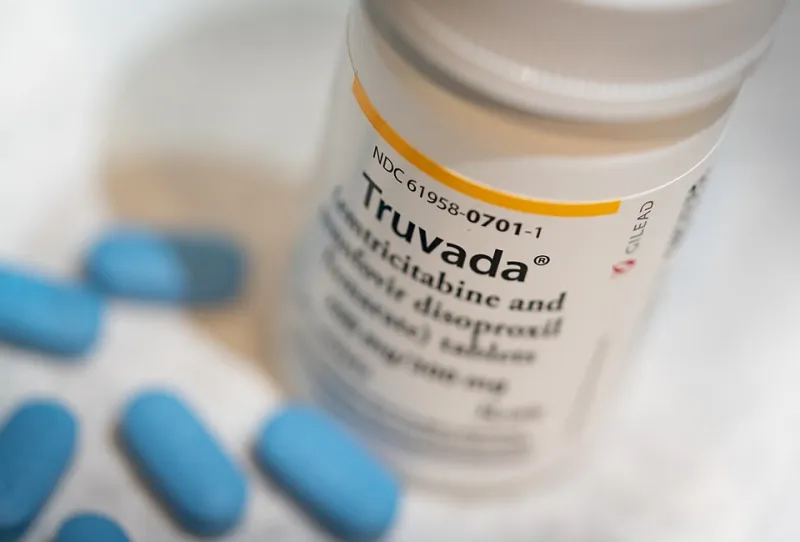
Photo: Tony Webster from Minneapolis, Minnesota, United States, CC BY-SA 2.0, via Wikimedia Commons
I have a confession: I can't remember the last time I planned a pharmacy run. It's always a 6 p.m. scramble — refill's due, kid's got a fever, we're out of antacids, and I'm standing in the checkout line behind someone buying a lottery ticket.
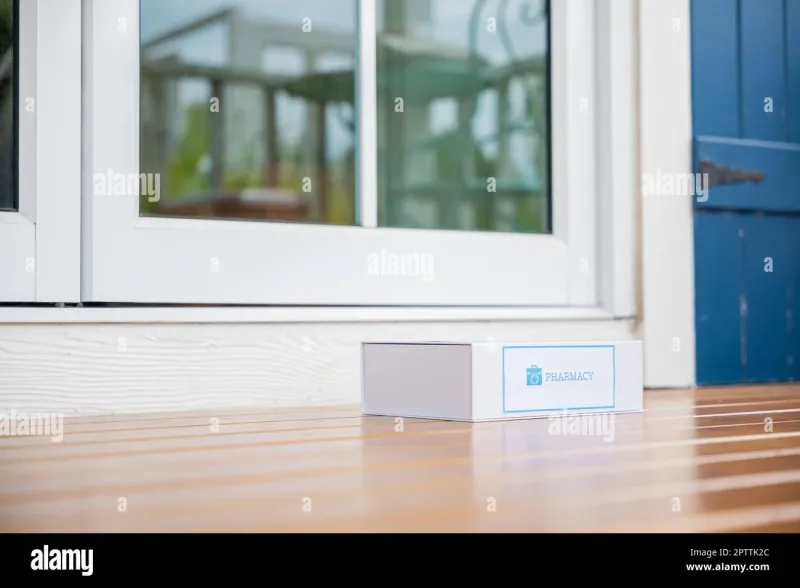
So when CMQ Pharma asked me to stress-test the "wellness delivered to your door" promise, I went all in. For two days, I moved my entire medicine cabinet online. Every prescription refill. Every over-the-counter staple. Everything.
Here's how it went.
The Lineup: What I Ordered
My household's routine haul looks pretty typical for a family of four:
- A maintenance prescription (my spouse's statin, 90-day supply)
- My blood pressure refill
- Children's acetaminophen
- Antacids (the big bottle, because heartburn doesn't negotiate)
- Allergy meds, generic
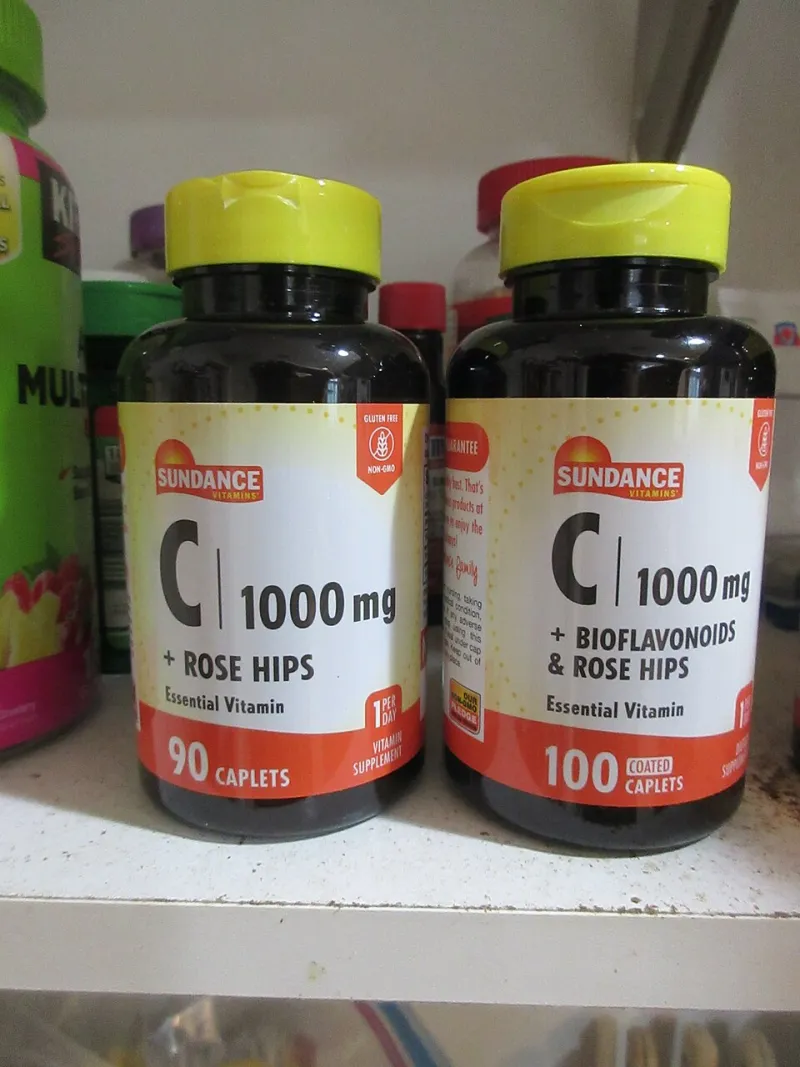
- Vitamin D and a basic multivitamin
I split the orders across a national pharmacy chain's mail service, an insurance-preferred mail-order pharmacy, and a DTC supplement retailer. I timed everything, logged every price, and read every label on arrival like a paranoid customs agent.
Day One: The Refills
The insurance-preferred mail-order option was the smoothest by far. My spouse's statin copay dropped from $15 at the corner pharmacy to $0 for a 90-day supply — a savings of roughly $45 annually, just on that one medication. The catch? It took five business days, not two. If you're switching, don't wait until you're down to your last tablet.
My own blood pressure refill went through the chain's app, which offered same-day courier delivery for $7.99. It arrived in four hours, bagged, sealed, and stamped with the pharmacy's info. Legit. Convenient. But the app's interaction-checker flagged nothing, and nobody asked me a single question — which is exactly the point I'll come back to.
Day Two: The OTC Haul
The antacids, allergy meds, and kids' pain reliever came from a big-box DTC retailer. Prices ran 10–20% below shelf price on generics, shipping was free over $35, and everything showed up in 48 hours.
Packaging was the weak spot. One bottle arrived dented. Another had a tamper seal that looked partially lifted — probably transit damage, but I couldn't be sure, so I called customer service. Twenty-two minutes on hold. They replaced it, no argument, but that's a long hold when you're trying to verify a seal on something your kid might swallow.
The supplements came fastest — next day — with QR codes linking to third-party lab certificates. I scanned them. Real results, current batch. That's the bar now, and honestly, more supplement brands should clear it.
The Authenticity Check
Every prescription arrived with standard pharmacy labeling: NDC numbers, lot numbers, expiration dates, prescriber info. I looked up the NDC numbers on the FDA's database. All matched. No mystery pills, no blister packs in a language I couldn't read.
If you're ordering meds online, this is your checklist:
- Verify the pharmacy at the NABP's site (look for the .pharmacy designation or LegitScript certification)
- Check the NDC number on the label against the FDA database
- Inspect tamper seals before you toss the packaging
- Never buy prescription-only drugs from sites that don't ask for a prescription — that's the single biggest red flag in online pharma
Where the System Wobbled
Two hiccups worth knowing about. First, the mail-order pharmacy auto-enrolled me in auto-refill without clearly saying so. Fine for a statin, less fine if your dose changes. Second, when I called the mail-order pharmacist line with a question about timing my blood pressure med with my coffee habit, I got a callback eight hours later. The answer was good. The lag was not.
That's the honest trade-off: online pharmacies are excellent at fulfillment and mediocre at conversation.
The Verdict: What Belongs Online
After 48 hours and roughly $180 spent, here's my breakdown.
Genuinely better online:
- 90-day maintenance prescriptions (cheaper, auto-refilled, less to remember)
- Generic OTC staples — antacids, allergy meds, pain relievers
- Supplements from brands that publish third-party lab results
Still worth the counter:
- New prescriptions, first fills, anything where dosing is still being dialed in
- Anything requiring a pharmacist conversation — interactions, timing, side effects
- Anything you need today
The mail-order pharmacy won on price and reliability. The neighborhood pharmacist won on judgment and speed when it mattered. The smartest medicine cabinet in 2025 uses both — and now mine does.