The Pharmacy Counter Is Losing Its Line: Why More Americans Are Getting Meds by Mail
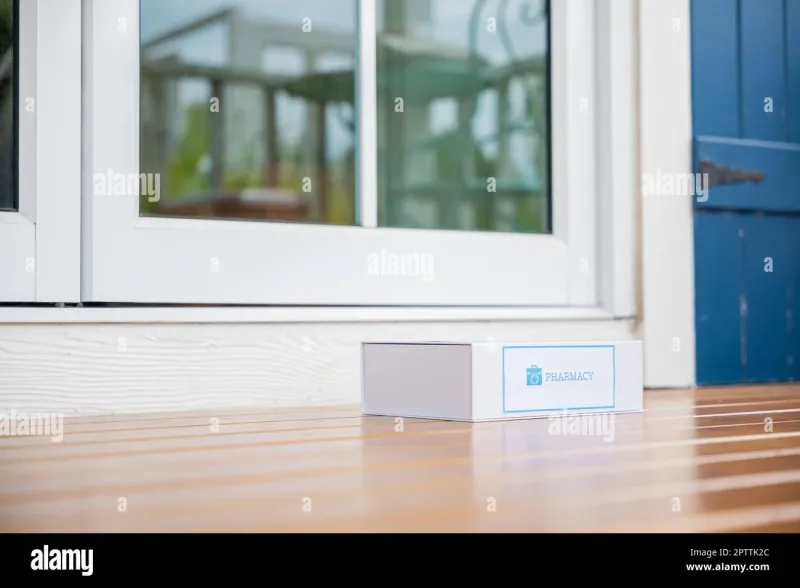
Photo: prescription medication package delivery at front door, via c8.alamy.com
Not long ago, getting a prescription refill meant carving out time in your day: driving to the pharmacy, waiting in line, maybe discovering your insurance wouldn't cover what the doctor ordered. Today, a growing share of Americans handle the whole thing from their couch — video call with a clinician, a few clicks, and a padded envelope shows up a few days later.
It's convenient. But the shift raises fair questions. Who's actually checking these prescriptions? Is the medication real? Will insurance play ball? Let's walk through the new landscape of direct-to-consumer pharmacy in the US.
How the Mail-Order Pharmacy Boom Happened
Three things collided to make doorstep pharma mainstream.
First, telehealth went from novelty to normal. What started as a workaround during the pandemic is now a routine way Americans handle everything from blood pressure management to hair loss treatment. If your doctor's visit happens on a video call, why wouldn't the prescription follow the same path?
Second, several states loosened rules around remote prescribing, and the DEA has extended telehealth flexibilities for controlled substances (with evolving rules still being worked out). That widened the door for conditions people once felt awkward discussing in person.
Third, big names — Amazon Pharmacy included — legitimized the model. When e-commerce giants and insurers get into mail-order meds, consumers stop seeing it as sketchy and start seeing it as standard.
The Typical Flow, Start to Finish
Here's what a modern direct-to-consumer prescription journey usually looks like:
- Online intake or telehealth visit. You fill out a health questionnaire or hop on a video consult with a licensed provider.
- Prescription issued (or not). A legitimate provider only prescribes when it's clinically appropriate. If a site promises a prescription with zero evaluation, walk away.
- Verification. The pharmacy verifies the prescription, checks for drug interactions, and confirms your insurance or cash price.
- Dispensing and shipping. A licensed US pharmacy fills the order and ships it in tamper-evident packaging, often with temperature considerations for sensitive meds.
- Refills on autopilot. Many services offer subscription-style refills so you don't run out mid-month.
Safety First: How to Vet an Online Pharmacy
The FDA estimates that thousands of websites sell prescription drugs illegally — some shipping unapproved, counterfeit, or mislabeled products. Protect yourself with these checks:
- Look for .pharmacy verification or LegitScript certification. The NABP's ".pharmacy" designation and LegitScript's "certified" badge both indicate the pharmacy has passed independent review.
- Confirm a US license. A real online pharmacy will list its state licensure and employ US-licensed pharmacists you can contact.
- Demand a real prescription requirement. No legitimate pharmacy ships prescription-only medication without a valid prescription from a licensed provider.
- Check the physical address and phone number. If you can't reach a human pharmacist, that's a red flag.
- Be skeptical of prices that seem too good. Deep discounts on brand-name drugs from overseas sellers usually mean counterfeit product.
- Watch for privacy red flags. Sites that don't require a health questionnaire or that sell your data are cutting corners somewhere.
What About Insurance and Cost?
Coverage for mail-order prescriptions varies more than most people expect. Many commercial plans have preferred mail-order partners with 90-day refill pricing that beats retail. Medicare Part D plans often include mail-order options too.
That said, some telehealth-first services operate on a cash-pay model — flat monthly fees that include the consultation and the medication. For certain generics, these cash prices can genuinely beat insurance copays, especially for people with high-deductible plans. Always compare: your insurer's formulary, the telehealth service's cash price, and discount programs at your local pharmacy.
One more tip: ask whether the price quoted includes shipping and whether refills auto-bill. Subscription pricing is only a deal if you actually need the medication monthly.
Where Home Delivery Shines (and Where It Doesn't)
Mail-order pharmacy works beautifully for maintenance medications — statins, blood pressure meds, thyroid hormone, asthma inhalers, diabetes supplies. Anything you take continuously benefits from automatic refills and pharmacist check-ins.
It's less ideal for acute needs. If you need an antibiotic today, a same-day pickup still wins. And controlled substances, biologics requiring cold-chain handling, and specialty drugs come with extra rules that not every mail service handles well — ask directly before ordering.
The Bottom Line
The American pharmacy experience isn't disappearing; it's decentralizing. The prescription counter is becoming one option among several, and for many people, the doorstep is the more practical choice. The key is treating online pharmacies with the same scrutiny you'd apply to any healthcare provider: verify credentials, insist on real prescriptions, and understand what you're paying for.
Convenience is great. Convenience plus safety is better.