When the Package Doesn't Come: A Calm, Step-by-Step Rescue Plan for Stuck Mail-Order Refills

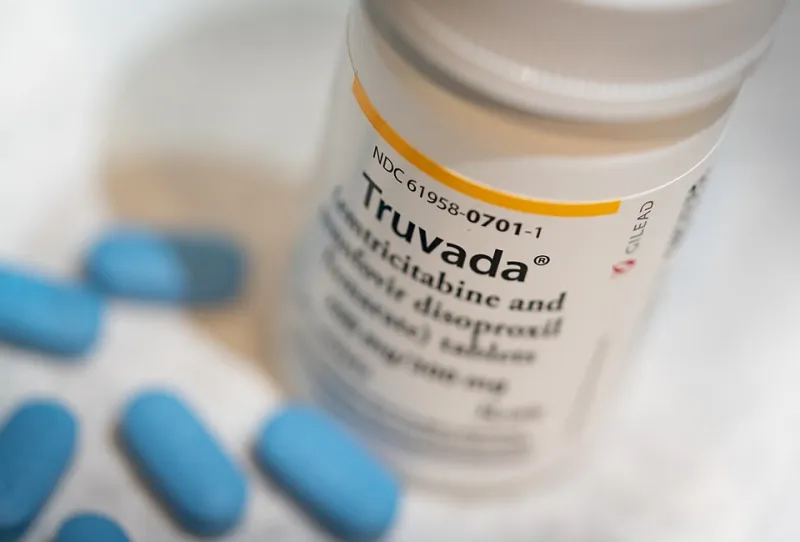
Photo: Shixart1985, CC BY 2.0, via Wikimedia Commons
It's a Tuesday night. You shake your prescription bottle and two pills rattle out. You open the mail-order pharmacy app, and there it is in cheerful gray text: "Refill processing — allow 7-10 business days."
If your stomach just dropped a little, you're in good company. Mail-order pharmacy is one of the best things to happen to American healthcare in decades — 90-day supplies, lower copays, doorstep delivery. But when the system hiccups, you're the one standing in your kitchen doing pill math at 10 PM.
Here's the good news: a late refill is almost always fixable, and the steps below work whether you use a big PBM's mail service, an online pharmacy, or a subscription med startup. Save this page. Future you will thank you.
Step 1: Figure Out Where the Order Actually Is
"Processing" is a frustratingly vague word, but it usually means one of three things:
- Insurance snag — the claim was rejected or needs prior authorization renewed
- Clinical hold — the pharmacy needs to verify a dose change, a new prescription, or a drug interaction flag
- Plain old logistics — it's in a warehouse, on a truck, or lost in the mail
Call or message the pharmacy and ask one specific question: "Is this order approved and shipped, and if not, what's blocking it?" You'll get a real answer faster than you'd think. Many delays are resolved the same day once a human looks at the file.
Step 2: Call Your Insurance Before You Call Anyone Else
This is the step most people skip, and it's the one that unlocks the most options. When you call the member services number on your insurance card, ask for a formulary exception or a transition-of-care override. In plain English: you're asking your plan to let you fill the prescription at a local retail pharmacy right now, instead of waiting for mail order.
Most plans have a provision for exactly this situation — sometimes called a "vacation override" or "emergency fill." You may pay a bit more out of pocket for a short supply, but a $30 bridge beats a gap in your medication.
Step 3: Ask About an Emergency Bridge Supply
Here's a fact that surprises people: pharmacies can often dispense a partial or emergency supply of many maintenance medications even when a refill isn't technically due. The rules vary by state and by drug, but your local pharmacist has more flexibility than you probably realize.
Walk into a pharmacy you trust, explain the situation, and ask: "Can I get a few days' worth to get me through until my mail order lands?" Pharmacists deal with this constantly. They are, genuinely, on your side — it's the most underused resource in American healthcare.
Step 4: Know When It's a True Emergency
Some medications aren't safe to miss, even briefly. If you're out of insulin, seizure medication, blood thinners, or certain heart and psychiatric medications, treat it as urgent and contact your doctor's office today — many have samples, same-day e-prescribing, or standing arrangements with local pharmacies.
For everything else, one or two missed doses of most maintenance meds is rarely dangerous, but check your specific drug (the pharmacist can tell you in 30 seconds) and don't just guess.
Step 5: Escalate If You're Getting the Runaround
If the pharmacy and insurance keep bouncing you around:
- Ask for a supervisor or patient advocate — every major mail-order pharmacy has one
- Have your prescriber's office call on your behalf; a doctor's office line gets answered faster than a patient line, fair or not
- If it's a mail delivery failure, file a claim with USPS or the carrier — pharmacies can reship lost packages, and many will expedite the replacement if you ask
The Backup Plan: Build It Once, Never Panic Again
The real fix isn't the rescue — it's making sure you never need one. Here's the checklist:
- ☐ Set your refill trigger at 7-10 days of medication left, not when you're empty
- ☐ Keep a small emergency stash if your medication allows it (ask your doctor; some plans will approve a 90-day fill early once or twice a year)
- ☐ Have a local pharmacy relationship — even if you normally use mail order, know which pharmacy near you has your prescriber's info on file
- ☐ Save your insurance member ID and your prescriber's office number in your phone notes
- ☐ Turn on auto-refill and shipping notifications, but check in monthly anyway — auto-refill can silently fail when a prior authorization lapses
- ☐ Do a quarterly medicine-cabinet audit: count pills, check expiration dates, confirm your delivery address
One Last Thing
Mail-order pharmacy has a few rough edges, but the fundamentals are strong, and the systems around it — retail overrides, emergency fills, pharmacist hotlines — exist precisely for weeks like this one. The people on the other end of the phone solve these problems dozens of times a day.
So take a breath, make the call, and then spend ten minutes building the checklist above. The next time a package goes sideways, you won't be doing panicked pill math at 10 PM. You'll already have a plan.