That $39.99 Charge Isn't a Mistake: Unmasking the Auto-Ship Habit Draining Your Bank Account

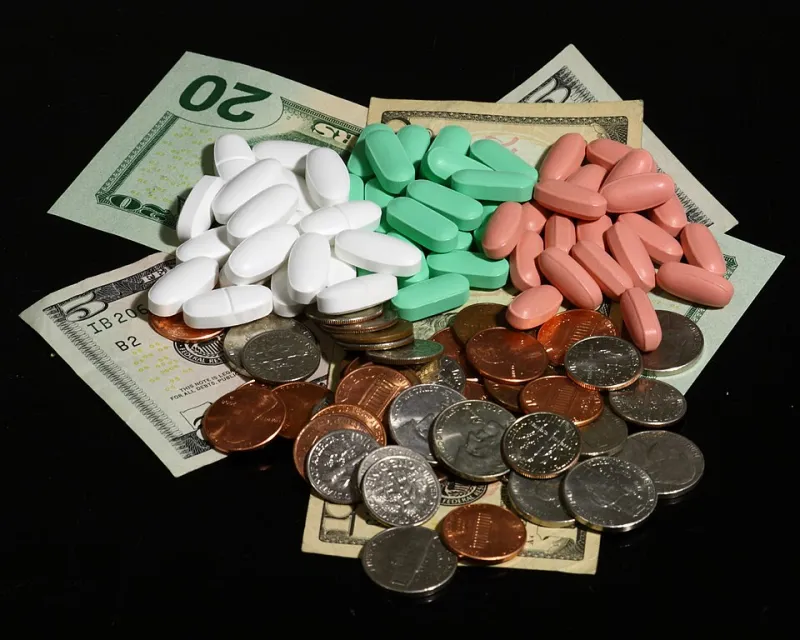
Photo: Consumer Financial Protection Bureau from United States, Public domain, via Wikimedia Commons
There's a moment of quiet confusion we've all had: a bank statement pops up, and there it is — a charge for $39.99, $59.99, maybe $89.99 — from a supplement brand you vaguely remember. Not a scam. Not fraud. Just a subscription you signed up for, forgot about, and have been quietly funding for months.
Welcome to the auto-ship economy. It's booming, it's legal (mostly), and if you buy vitamins, protein powders, or anything wellness-adjacent online, odds are decent you're in one right now without realizing it.
Why Everyone Wants You on a Subscription
From the retailer's side, the math is obvious. A customer who buys a bottle of ashwagandha once might never come back. A customer on autoship is a predictable revenue stream — investors love that word. So companies dangle incentives: 20% off, free shipping, "VIP pricing." The discount is real, but so is the fine print that turns a one-time purchase into a monthly obligation.
Some brands make cancellation painless. Others hide the cancel button three menus deep or require a phone call during business hours — which, coincidentally, is when you're at work.
Where the Trap Hides
Auto-renewal clauses tend to live in predictable spots:
- Pre-checked boxes at checkout that enroll you in "subscribe & save" by default
- The word "membership" doing heavy lifting where "subscription" would scare people off
- Free trial funnels — pay $4.95 shipping today, get billed full price in 14 days, then monthly forever
- Terms of service language you scrolled past in two seconds
The sneakiest version: the discount code. Enter "WELCOME15" and you've sometimes unknowingly agreed to recurring billing. Always read what pops up after you apply a code.
Your 15-Minute Subscription Audit
Grab your bank and credit card statements and do this tonight:
- Search for recurring amounts. Sort statements by amount — identical charges on similar dates are your smoking gun.
- Check the merchant name carefully. Supplement brands often bill under parent company names you won't recognize.
- Go back 90 days minimum. Some subscriptions bill quarterly or "every 8 weeks" to slip past casual reviews.
- Check PayPal and app store subscriptions too. They're favorite hiding spots because the charge shows up as "PayPal" or "Apple."
- Ask the three questions: Do I use this? Would I buy it today at full price? Did I knowingly sign up? Two noes means cancel.
How to Actually Cancel
If cancellation is easy, use the portal and screenshot the confirmation. If it's not:
- Email, don't just call. A written cancellation request creates a record. State the date, the account, and that you're revoking consent to future charges.
- Dispute through your bank if needed. Under the Fair Credit Billing Act, you can dispute recurring charges for goods you didn't authorize. Card issuers take "I cancelled and they kept billing" seriously, especially with documentation.
- Watch for the "retention offer." If a rep pushes a discount to keep you, that's your confirmation they can cancel it — decline and repeat your request.
Know Your Rights (They're Better Than You Think)
The FTC's Negative Option Rule, updated in 2024, requires sellers using auto-renewal or free-trial models to clearly disclose terms, get your explicit informed consent, and — this is the big one — make cancellation as easy as signup. If a site let you subscribe in two clicks but requires a certified letter to quit, that's a red flag and potentially a violation.
Many states, including California with its Automatic Renewal Law, go further, requiring advance renewal notices. If you think a company crossed the line, report it at reportfraud.ftc.gov — it takes two minutes and actually matters.
The CMQ Pharma Take
We're not anti-subscription. If you take a medication or supplement daily, auto-refill genuinely helps you stay consistent — that's the whole point of wellness delivered to your door. The problem isn't the model; it's the ambush.
So subscribe deliberately. Audit twice a year. And never let a $39.99 charge surprise you twice.