Missed It Again? A Judgment-Free Look at What Skipping Doses Actually Does to Your Body
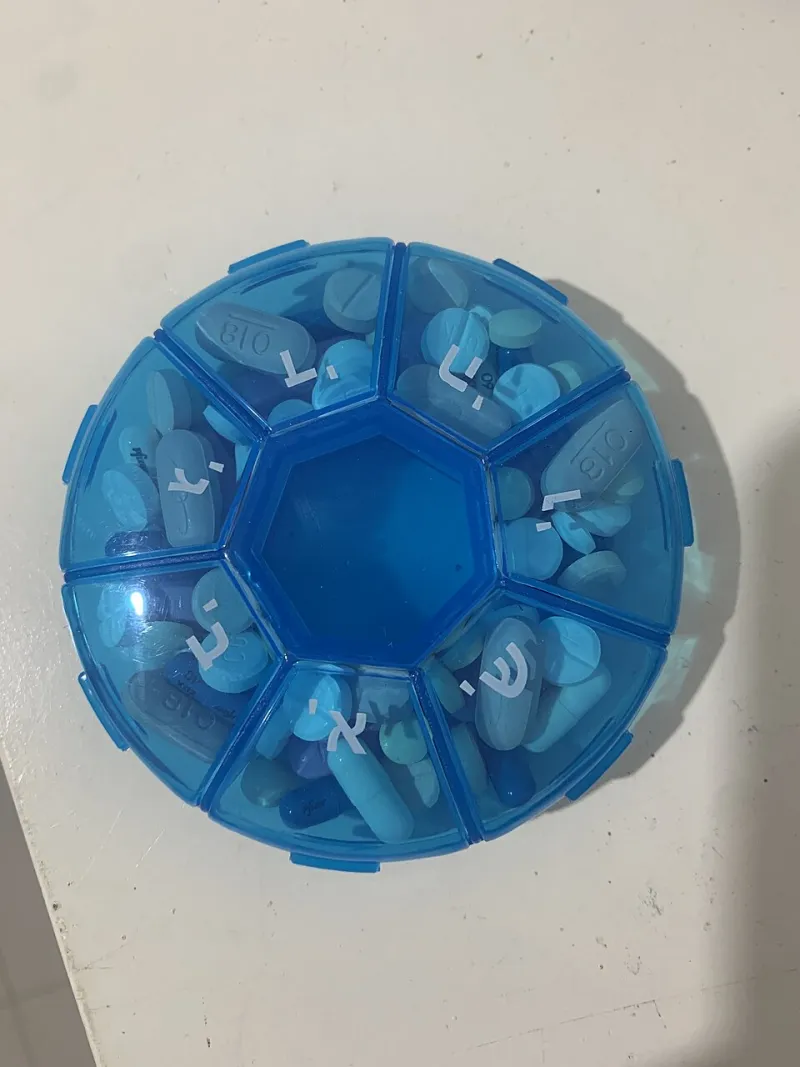
Photo: יוחי טייס, CC BY-SA 4.0, via Wikimedia Commons
It starts innocently. You slept through your morning alarm, the pill bottle is in the other room, and by the time you remember, it's 2 PM and you've already had coffee. You'll just take it tomorrow. Then tomorrow gets busy. And somewhere around day three, your body quietly starts noticing.
If you've ever felt a wave of guilt reading the 'take exactly as directed' label, this one's for you. Medication non-adherence is incredibly common — by some estimates, roughly half of Americans with chronic conditions don't take their meds as prescribed. That's not a character flaw. It's a systems problem, and systems can be fixed.
The First 72 Hours: A Body's-Eye View
Let's follow one missed regimen through its first week, because the consequences vary wildly depending on what you're taking.
Blood pressure meds: These are the sneaky ones. Miss a dose or two of something like lisinopril and you might feel... nothing. That's the trap. Behind the scenes, your blood pressure begins creeping back toward its untreated baseline. For most people, a single missed dose isn't dangerous. But the rebound effect is real, and for folks with heart conditions, that slow climb matters more than any single day.
Antidepressants: Here the missed-dose timeline is faster and louder. SSRIs with short half-lives — think sertraline or paroxetine — can trigger what's sometimes called discontinuation syndrome within a day or two: dizziness, brain zaps, irritability, flu-like feelings. Your brain noticed the gap before you did.
Antibiotics: This is where the stakes get collective. Skipped doses don't just leave you feeling crummy — they give bacteria a partial-dose survival course. The strongest bugs endure, multiply, and potentially come back resistant. That's why finishing the full course matters even after you feel better on day four.
Blood thinners and diabetes meds: These sit at the high-stakes end. A missed anticoagulant dose shifts your clotting protection; a skipped insulin or metformin dose sends glucose curves wobbling. If you're on any of these, a backup plan isn't optional — it's essential.
The 72-hour mark is a useful mental milestone. By then, most medications have washed out of your system enough that you're no longer 'mostly treated' — you're trending toward untreated, and the fix usually involves calling your doctor or pharmacist rather than just doubling up. Never double dose to catch up without checking first; with some drugs, that's genuinely dangerous.
Why We Skip (It's Not Laziness)
Ask people why they miss doses and you'll hear the same three answers over and over. None of them are 'I don't care about my health.'
Reason #1: Cost. When a refill costs $80 and rent is due, the math makes itself. Studies consistently show cost is one of the top drivers of skipped doses in the US, where even insured patients face deductibles and coverage gaps. If this is you, know that options exist: ask your pharmacist for the cash price (it's sometimes lower than your copay), check whether a generic version exists, look into manufacturer savings programs, or explore legitimate discount cards. Prescription assistance isn't charity — it's a tool built for exactly this situation.
Reason #2: Forgetfulness. The modern attention economy is designed to make you forget. The fix isn't willpower; it's friction reduction. Pill organizers with Sunday-through-Saturday compartments work because they turn 'did I take it?' into a visual question with a visible answer. Phone alarms work better when labeled with the actual drug name. And if your pharmacy offers auto-refill or blister-pack service, that's one less decision point in your week. Some people swear by pairing doses with an existing habit — teeth brushing, the morning coffee maker — because habit-stacking beats memory every time.
Reason #3: Side effects. This one deserves real talk. If a medication makes you feel worse, 'just push through' is terrible advice. Nausea, fatigue, brain fog — these are data points your prescriber needs. Often the solution is a dose adjustment, a timing change (taking with food, switching to evening), or a different drug in the same class. Stopping silently helps no one; your doctor can't fix a side effect they don't know about.
The Comeback Plan
So you've missed a few days. Here's your no-shame protocol:
- Don't double up unless a pharmacist or your doctor says it's safe.
- Check the insert or call your pharmacy — the answer to 'what do I do now?' is drug-specific.
- Restart, don't relaunch. Just resume the normal schedule today. No elaborate reset rituals required.
- Diagnose the actual reason — cost, memory, or side effects — and pick one targeted fix, not five.
- Tell your prescriber if the gap was long or the drug is high-stakes. This is a routine call for them, not an admission of failure.
One Last Thing
The goal of medication isn't perfection; it's consistency over time. Research on adherence suggests that even 'pretty good' adherence — taking the vast majority of doses on schedule — delivers most of the benefit. A missed Tuesday doesn't erase your progress. A pattern of missed Tuesdays is just a signal that your system needs a tweak.
Be as patient with yourself as you'd be with a friend who forgot something. Then set the alarm, flip the pill organizer, make the price-check call — and let the system do the remembering for you.