Dead in the Box: The Supplement Shelf Life Problem Nobody Warns You About
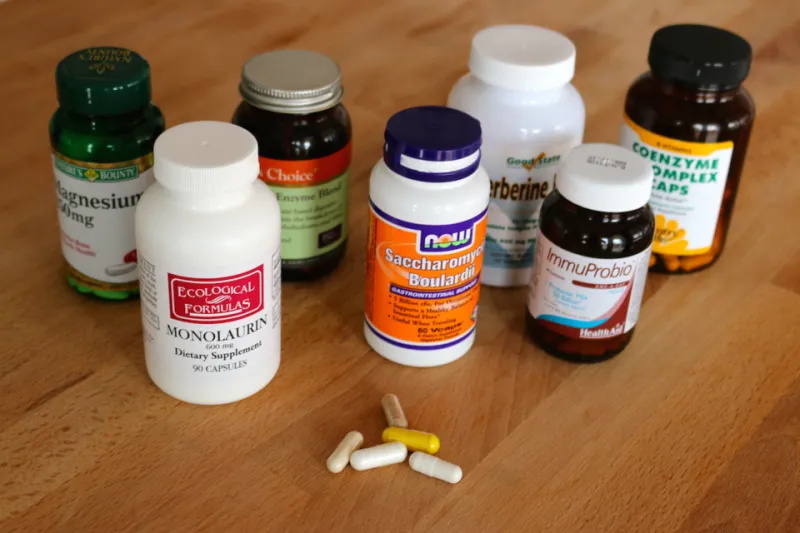
Photo: Ryan Snyder, CC BY 2.0, via Wikimedia Commons
You did everything right. You researched the strain, compared CFU counts, maybe even paid a little extra for a brand your naturopath recommended. Then the box sat on your porch in a Phoenix heat wave for six hours. Here's the uncomfortable question: did you just buy a very expensive placebo?
For most pills and powders, no big deal. But some of the most popular supplements in American carts right now — probiotics, fish oil, digestive enzymes — are genuinely perishable. And the supply chain between the manufacturer and your doorstep is not gentle.
Which Supplements Are Actually Perishable
Think of your supplement order in three tiers of fragility.
The living products. Probiotics are bacteria, and bacteria have opinions about temperature. Most strains start degrading above roughly 75–80°F, and a car interior or sunny doorstep can hit 120°F or more. Some shelf-stable formulations (spore-based strains like Bacillus coagulans, or moisture-barrier packaging) hold up better, but many refrigerated probiotics really do need the cold chain from factory to fridge.
The oxidizers. Fish oil doesn't die, exactly — it goes rancid. Omega-3 fatty acids react with oxygen and heat, breaking down into compounds that not only smell terrible but may actively work against you. Rancid fish oil is one of the most common quality failures in the supplement industry, and heat during shipping accelerates it dramatically.
The fragile enzymes. Digestive and systemic enzymes are proteins, and proteins denature with heat. They're usually more forgiving than probiotics, but a week in a hot warehouse isn't doing them any favors.
Everything else — vitamin D, magnesium, most minerals — is basically a rock. Stop worrying about those.
Reading the Fine Print: 'Potency at Expiration'
Here's a phrase worth learning: potency at expiration. Reputable probiotic labels list CFU counts at the end of shelf life, not at the time of manufacture. A bottle promising "50 billion CFU" that only guarantees that number at packaging might be delivering a fraction by the time you open it.
Flip the bottle and look for three things:
-
"Potency guaranteed through expiration" — the gold standard. If it just says CFUs with no qualifier, be skeptical.
-
Storage instructions. "Refrigerate to maintain potency" is a real instruction, not a suggestion. "Store in a cool, dry place" gives you more wiggle room, but "cool" doesn't mean a mailbox in July.
-
Third-party testing seals. USP, NSF, or an in-house certificate of analysis (CoA) matters far more for perishables than for minerals, because it verifies the product was still potent when it left the facility.
Heat-Damaged Products: What to Look For
Your senses are surprisingly good QA tools. Before you swallow anything from a suspicious shipment:
- Probiotics: A puffed or domed lid on the bottle means gas-producing bacteria kept working after they should have stopped — a classic sign of heat exposure. Capsules that clump together or feel sticky suggest moisture intrusion.
- Fish oil: Pierce a gel cap or sniff an opened bottle. If it smells like old crayons, rancid nuts, or a bait shop, it's done. Some oxidation is tasteless, which is why this test isn't foolproof — but a strong off-smell is a definitive no.
- Enzymes: Hardened powder, caking, or discolored capsules are red flags.
If any of these show up, contact the seller. Legitimate outfits will replace heat-damaged orders, especially in summer.
Is Refrigerated Shipping Worth the Extra $10?
Sometimes, yes. A rough rule of thumb:
Pay for cold shipping when: you're buying a live-culture probiotic that isn't shelf-stable, it's June through September, you live somewhere brutal (the Southwest, the Deep South, Florida), and the package will take more than two days to arrive. In these conditions, a cold pack and insulated mailer can be the difference between a live product and a dead one.
Skip it when: the product is shelf-stable or spore-based, you're ordering in winter, or you're in a two-day shipping zone with a mild climate. Cold packs only last so long anyway — a gel pack is often frozen solid at hour one and room temperature by hour 48, so paying a premium for a token gesture isn't smart.
The smarter move, regardless of season: order from a company that stores perishables in climate-controlled facilities and ships early in the week, so nothing sits in a distribution center over a weekend. And once it arrives, get it into the fridge or a cool interior cabinet — not the bathroom, not above the stove.
The Bottom Line
Supplements aren't all created equal in the face of heat, and the summer months are quietly the most wasteful time of year to order the fragile ones carelessly. A little label literacy, a quick sniff test, and a strategic decision about cold shipping can protect both your money and whatever those capsules were supposed to be doing for you in the first place.
Because there's nothing wellness-delivered-to-your-door about a bottle of bacteria that didn't survive the drive.